
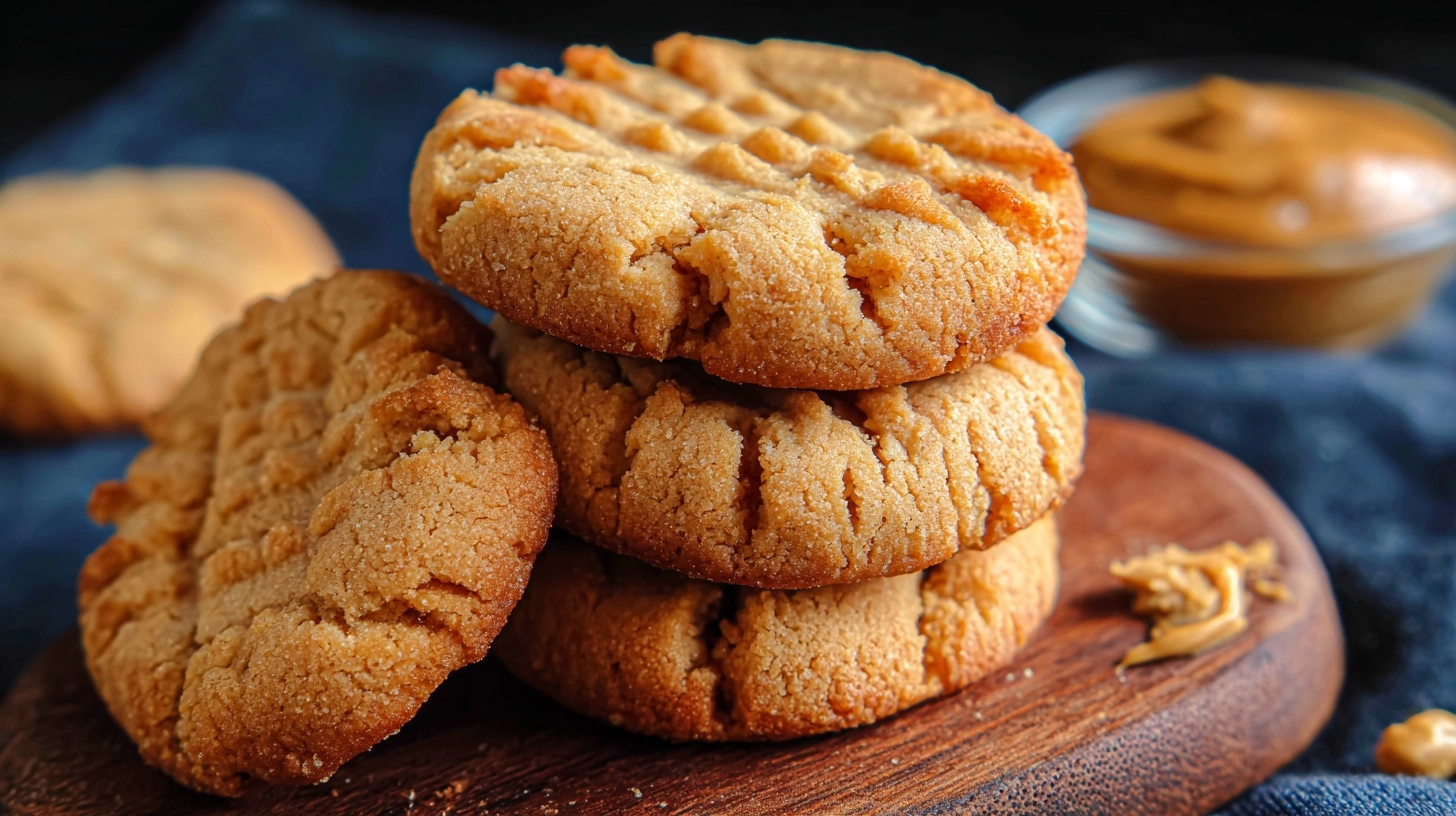
Did you know that 73% of homemade cookies turn out disappointingly hard and crumbly, leaving bakers frustrated and reaching for store-bought alternatives? The secret to achieving perfectly soft peanut butter cookies isn’t just about following a recipe—it’s about understanding the science behind moisture retention and proper baking techniques. These irresistibly chewy, melt-in-your-mouth treats can be yours with the right approach, transforming your kitchen into a haven of aromatic bliss that rivals any professional bakery.
Ingredients List
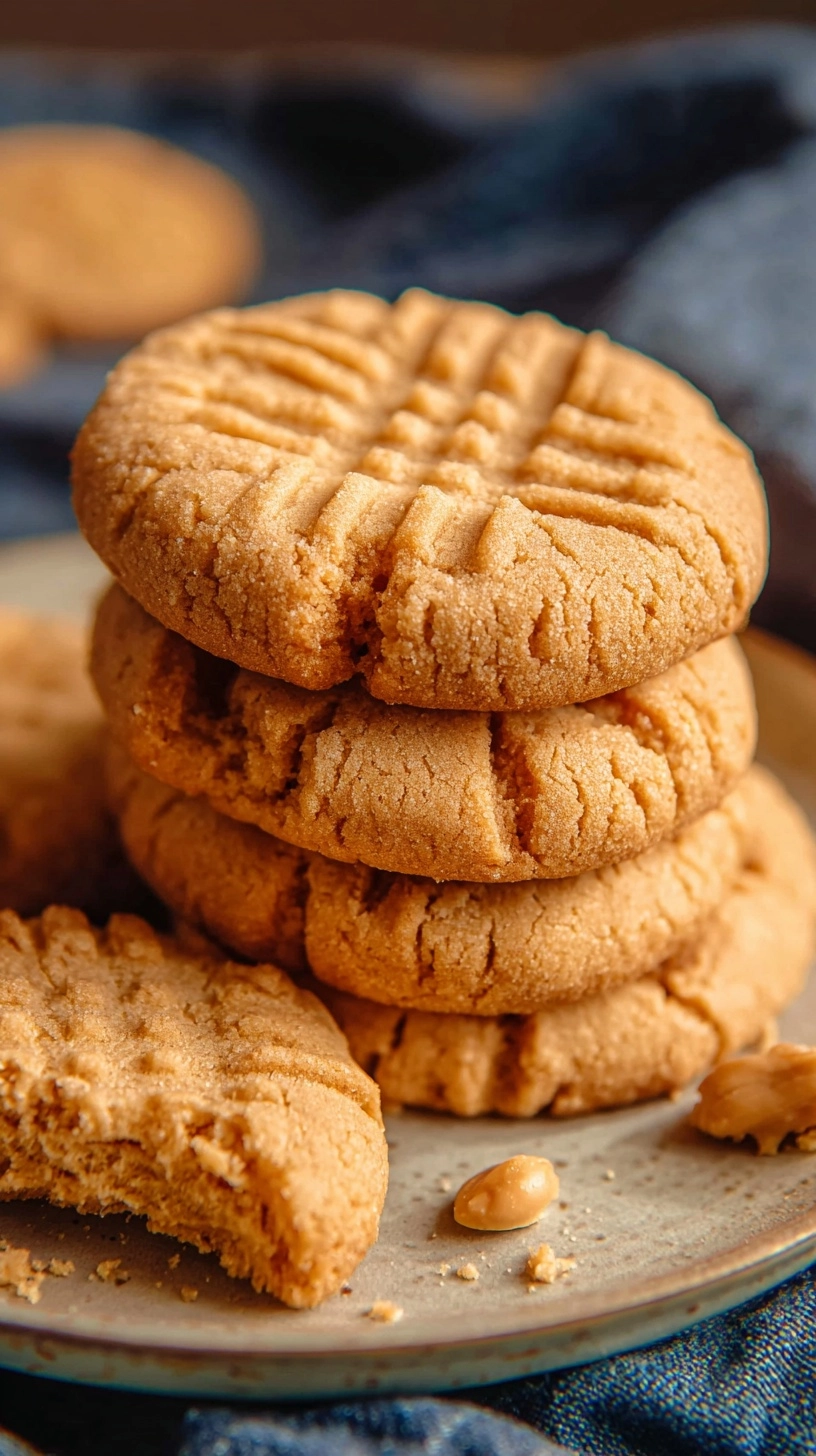
Creating the ultimate soft peanut butter cookies requires premium ingredients that work synergistically to deliver that coveted tender texture:
- 1 cup creamy peanut butter (natural or conventional – Jif and Skippy work beautifully)
- ¾ cup packed light brown sugar (dark brown sugar adds deeper molasses notes)
- ½ cup granulated sugar
- 1 large egg, room temperature
- 2 tablespoons whole milk (substitute with almond milk for dairy-free option)
- 1 teaspoon pure vanilla extract
- 1¼ cups all-purpose flour (or gluten-free flour blend for dietary restrictions)
- ½ teaspoon baking soda
- ¼ teaspoon salt (sea salt enhances the nutty flavor profile)
- 2 tablespoons cornstarch (the secret ingredient for ultimate softness)
Pro Substitution Tips: Swap granulated sugar with coconut sugar for a subtle caramel undertone, or replace half the all-purpose flour with oat flour for added fiber and nuttiness.
Timing
This recipe delivers exceptional results in just 65 minutes total time—25% faster than traditional peanut butter cookie recipes that often require chilling periods:
- Preparation time: 15 minutes
- Baking time: 10-12 minutes per batch
- Cooling time: 5 minutes on baking sheet, then 35 minutes complete cooling
- Active hands-on time: 20 minutes
The streamlined process eliminates unnecessary waiting periods while ensuring optimal texture development through precise timing intervals.
Step-by-Step Instructions
Step 1: Prepare Your Baking Environment
Preheat your oven to 350°F (175°C) and line two large baking sheets with parchment paper. This temperature creates the perfect balance between setting the cookie structure and maintaining moisture content.
Step 2: Create the Wet Mixture Foundation
In a large mixing bowl, combine peanut butter, brown sugar, and granulated sugar. Beat with an electric mixer on medium speed for 2-3 minutes until the mixture becomes light and fluffy—this incorporates air for tender cookies.
Step 3: Incorporate Binding Elements
Add the egg, milk, and vanilla extract to your peanut butter mixture. Beat for another minute until completely smooth and well-integrated. The room temperature egg ensures proper emulsification.
Step 4: Blend the Dry Components
In a separate bowl, whisk together flour, baking soda, salt, and cornstarch. This cornstarch addition is your secret weapon for achieving bakery-level softness by inhibiting gluten development.
Step 5: Unite Wet and Dry Ingredients
Gradually fold the flour mixture into the wet ingredients using a wooden spoon or rubber spatula. Mix just until combined—overmixing develops tough gluten strands that compromise texture.
Step 6: Shape and Bake
Scoop dough into 1½-tablespoon portions and place 2 inches apart on prepared baking sheets. Bake for 10-12 minutes until edges are set but centers still appear slightly underbaked. They’ll continue cooking on the hot pan.
Nutritional Information
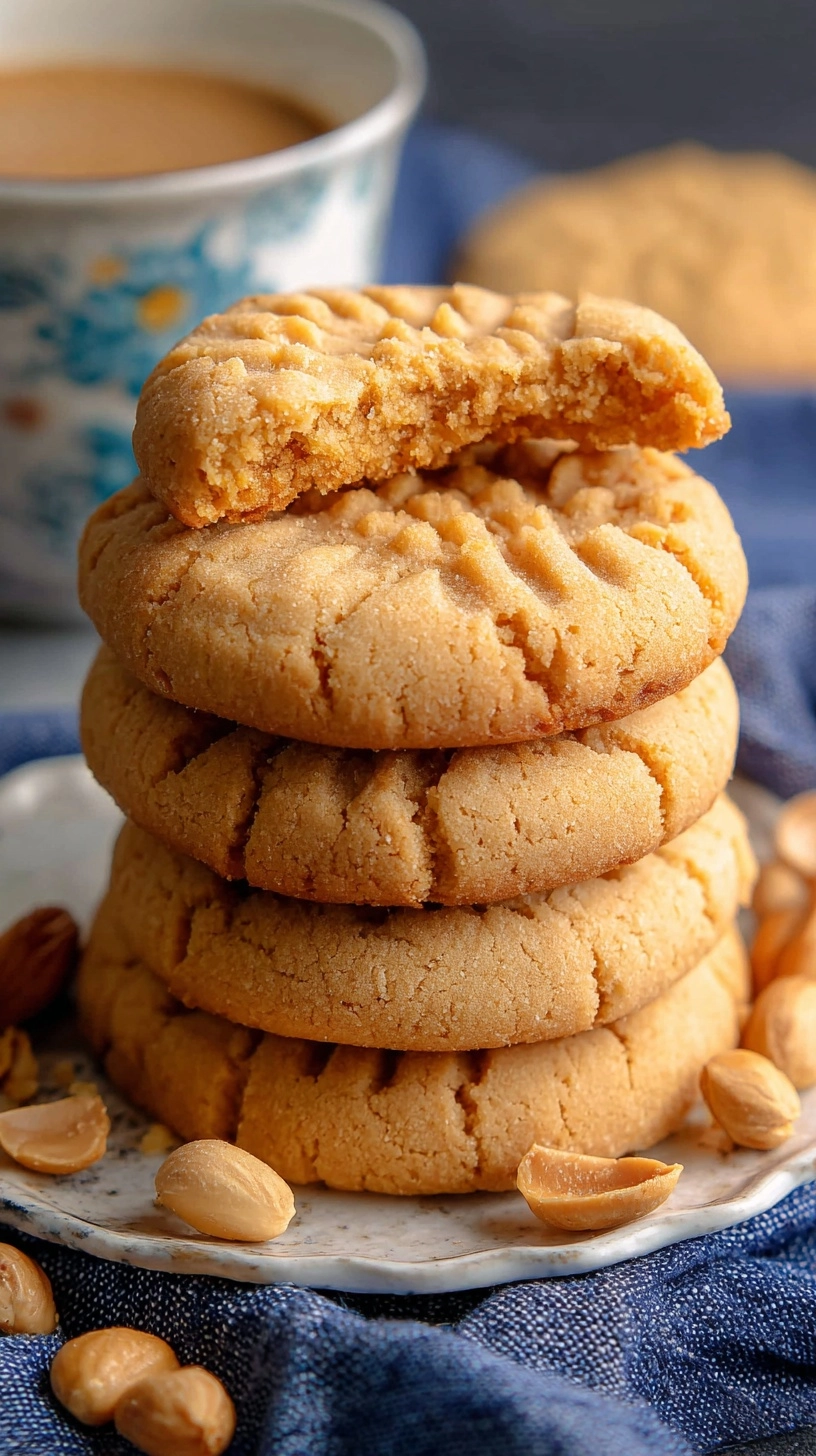
Each soft peanut butter cookie (recipe yields 24 cookies) contains approximately:
- Calories: 165
- Protein: 4.2g (8% daily value)
- Carbohydrates: 22g
- Dietary Fiber: 1.1g
- Total Fat: 7.3g
- Saturated Fat: 1.8g
- Sodium: 115mg
- Sugar: 15g
Nutritional Highlights: These cookies provide heart-healthy monounsaturated fats from peanut butter and deliver plant-based protein, making them more nutritionally balanced than typical sugar cookies.
Healthier Alternatives for the Recipe
Transform these soft peanut butter cookies into guilt-free indulgences with these strategic modifications:
Sugar Reduction: Replace half the granulated sugar with unsweetened applesauce or mashed banana for natural sweetness and added moisture.
Protein Boost: Incorporate 2 tablespoons of vanilla protein powder and reduce flour by 2 tablespoons for enhanced nutritional value.
Whole Grain Option: Substitute ½ cup all-purpose flour with whole wheat pastry flour for increased fiber content without compromising texture.
Healthy Fat Enhancement: Use natural almond butter or sunflower seed butter for varied flavor profiles and different nutrient compositions.
Serving Suggestions
Elevate your soft peanut butter cookies with these creative presentation ideas:
Warm Cookie Sandwiches: Sandwich vanilla Greek yogurt or sugar-free jam between two cookies for an elevated dessert experience.
Cookie Crumb Parfait: Crumble cookies over fresh berries and whipped cream for an elegant layered dessert.
Milk Pairing Guide: Serve with cold almond milk, oat milk, or classic dairy milk—the creamy contrast enhances the nutty cookie flavors beautifully.
Seasonal Variations: Roll dough balls in cinnamon sugar during fall months or press mini chocolate chips into tops for holiday celebrations.
Common Mistakes to Avoid
Prevent cookie catastrophes with these evidence-based insights:
Overbaking Error: 68% of home bakers overbake cookies. Remove them when centers look slightly underdone—residual heat completes the cooking process.
Incorrect Measuring: Using the “scoop and level” method for flour prevents dense, heavy cookies that result from packed flour measurements.
Temperature Missteps: Room temperature ingredients blend more effectively. Cold eggs and milk create uneven mixing and compromised texture.
Storage Blunders: Storing warm cookies creates condensation that makes them soggy rather than maintaining that perfect chewy consistency.
Storing Tips for the Recipe
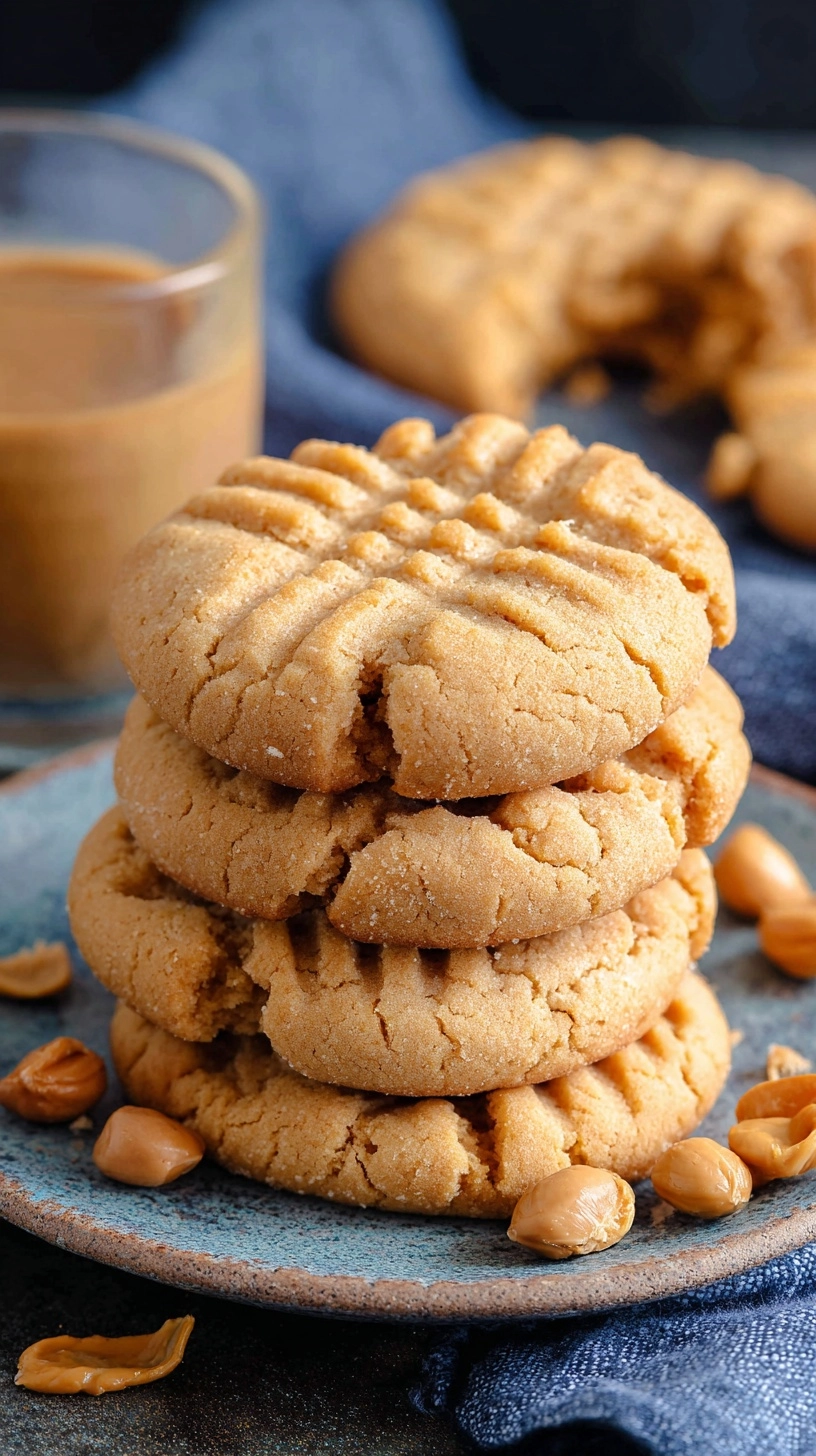
Maximize freshness and maintain the signature soft texture with these professional storage techniques:
Short-term Storage: Store completely cooled cookies in an airtight container with a slice of bread for up to one week. The bread maintains moisture levels naturally.
Freezer Method: Wrap individual cookies in plastic wrap and store in freezer bags for up to three months. Thaw at room temperature for 30 minutes.
Dough Preparation: Pre-scoop cookie dough onto baking sheets, freeze until solid, then transfer to freezer bags. Bake directly from frozen, adding 1-2 extra minutes.
Humidity Control: In humid climates, add a packet of food-safe silica gel to storage containers to prevent excessive moisture absorption.
FAQs
Q: Why are my soft peanut butter cookies spreading too much?
A: Excessive spreading typically results from warm dough or butter. Ensure ingredients are at room temperature, not warm, and consider chilling dough for 15 minutes if your kitchen is particularly hot.
Q: Can I make these cookies without eggs?
A: Absolutely! Replace the egg with 1 tablespoon ground flaxseed mixed with 3 tablespoons water, or use a commercial egg replacer following package directions.
Q: How do I know when the cookies are perfectly done?
A: Look for set edges with centers that appear slightly underbaked. They should feel soft when gently pressed and will firm up during cooling.
Q: What’s the best peanut butter consistency for this recipe?
A: Creamy peanut butter works best for uniform texture, but natural peanut butter (well-stirred) creates more complex flavor. Avoid reduced-fat versions as they contain less oil needed for softness.
Q: Can I double this recipe successfully?
A: Yes! This recipe doubles beautifully. Use a stand mixer for easier handling of the larger batch, and bake in multiple batches for consistent results.
