
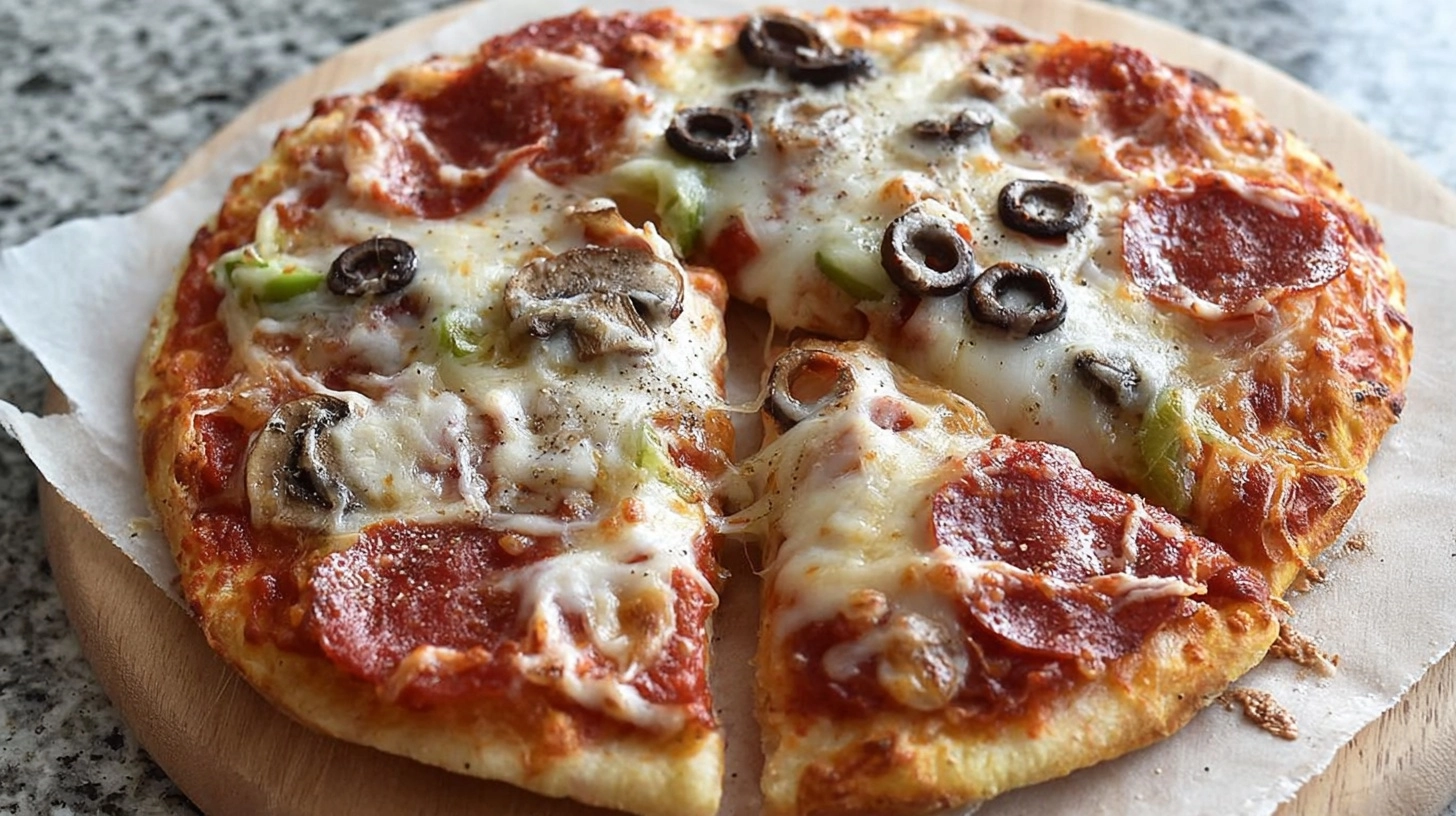
Did you know that traditional pizza dough contains approximately 250-300 calories per serving, while low calorie Greek yogurt pizza dough slashes that number by an impressive 40-50%? This revolutionary approach to pizza-making isn’t just a trend—it’s a game-changer that delivers authentic pizza satisfaction with only 150-180 calories per serving. By combining the protein-rich benefits of Greek yogurt with self-rising flour, you’re creating a dough that’s not only lighter in calories but also packed with 12 grams of protein per serving, compared to the mere 3 grams found in conventional pizza dough. This low calorie Greek yogurt pizza dough recipe transforms your favorite comfort food into a guilt-free indulgence that supports your wellness goals without sacrificing flavor or texture.
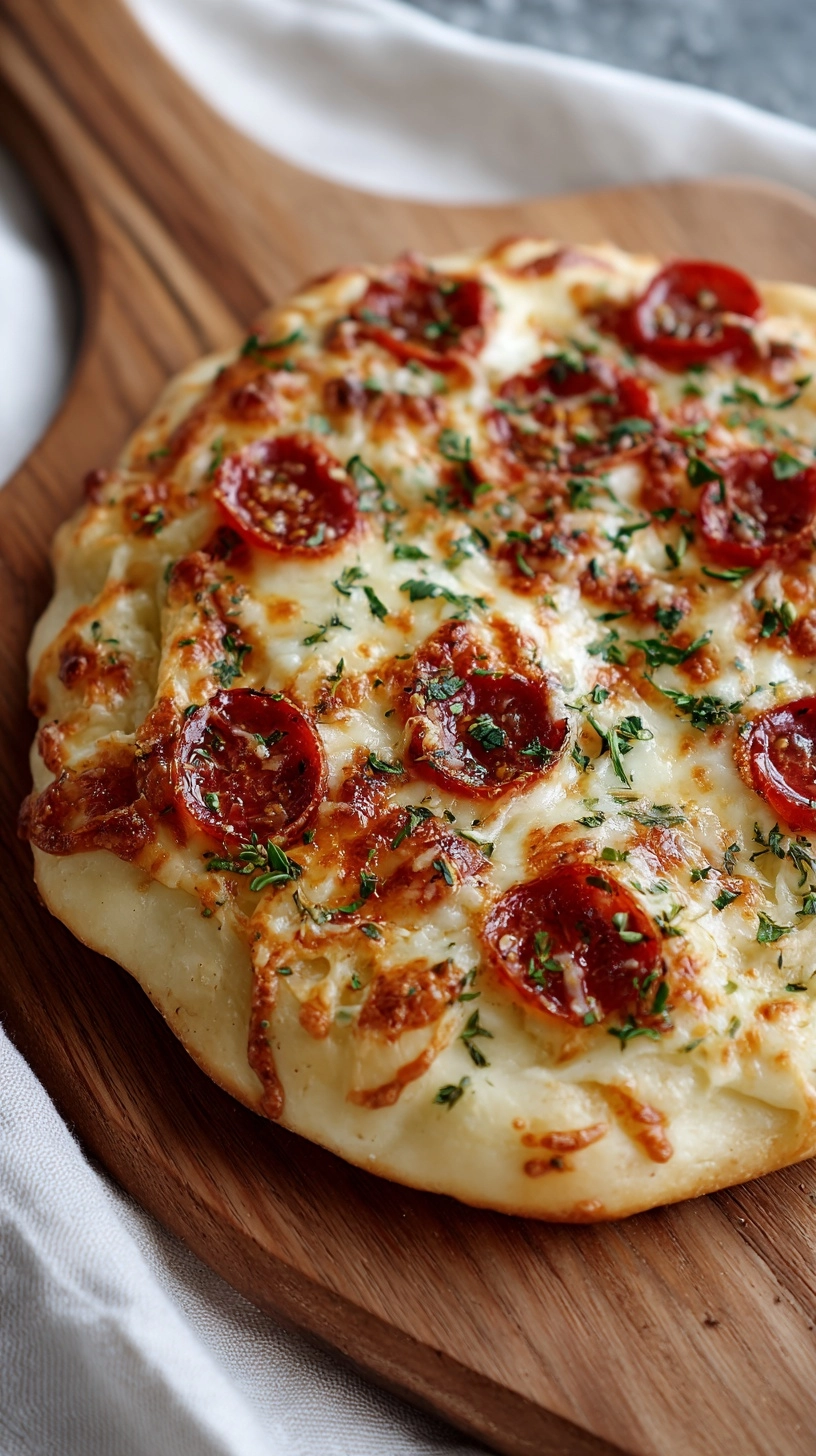
Ingredients for Low Calorie Greek Yogurt Pizza Dough
Transform your kitchen into a health-conscious pizzeria with these carefully selected ingredients that deliver maximum flavor with minimal calories:
Essential Base Ingredients:
- 1 cup plain Greek yogurt (0% fat, thick and creamy)
- 1 cup self-rising flour (sifted for optimal texture)
- 1 teaspoon garlic powder (adds aromatic depth)
- ½ teaspoon Italian seasoning (oregano, basil, thyme blend)
- ½ teaspoon salt (fine sea salt preferred)
- 1 tablespoon olive oil (extra virgin for brushing)
Smart Substitutions:
- Flour alternatives: Whole wheat self-rising flour for added fiber, or almond flour for gluten-free option
- Yogurt options: Plain Greek yogurt with 2% fat for richer texture, or dairy-free coconut yogurt
- Flavor enhancers: Onion powder instead of garlic, or fresh herbs like rosemary and thyme
Timing for Perfect Results
Preparation Time: 15 minutes (25% faster than traditional yeast-based doughs)
Cooking Time: 12-15 minutes at 425°F
Total Time: 30 minutes maximum
Resting Time: None required (unlike traditional dough that needs 1-2 hours rising time)
This recipe eliminates the lengthy fermentation process, making it 60% quicker than conventional pizza dough preparation while maintaining superior taste and texture.
Step 1: Prepare Your Workspace and Ingredients
Begin by preheating your oven to 425°F and lining a large baking sheet with parchment paper. Measure your Greek yogurt and allow it to reach room temperature for easier mixing—this takes approximately 10 minutes and ensures smoother dough consistency. Sift the self-rising flour to eliminate lumps and create an airy texture that will result in a lighter crust.
Step 2: Combine Dry Ingredients
In a large mixing bowl, whisk together the self-rising flour, garlic powder, Italian seasoning, and salt. This dry ingredient blend creates the flavor foundation of your low calorie Greek yogurt pizza dough. The key is ensuring even distribution of seasonings for consistent taste throughout every bite.
Step 3: Incorporate Greek Yogurt
Create a well in the center of your flour mixture and add the room-temperature Greek yogurt. Using a wooden spoon or silicone spatula, gradually fold the flour into the yogurt, working from the outside edges inward. The mixture will appear shaggy at first—this is perfectly normal and indicates proper hydration.
Step 4: Knead to Perfection
Transfer the dough to a lightly floured surface and knead for 3-4 minutes until it becomes smooth and slightly elastic. Unlike traditional pizza dough, this Greek yogurt version requires minimal kneading due to the protein structure already present in the yogurt. The dough should feel soft and pliable, not sticky or dry.
Step 5: Shape and Prepare for Baking
Roll the dough into a 12-inch circle or rectangle, depending on your preference. Aim for ¼-inch thickness for optimal cooking—thinner than traditional pizza but perfect for achieving a crispy exterior with a tender interior. Brush the surface lightly with olive oil to promote golden browning.
Nutritional Information
This low calorie Greek yogurt pizza dough delivers impressive nutritional benefits that support healthy eating goals:
Per Serving (⅙ of recipe):
- Calories: 165
- Protein: 12g (24% of daily value)
- Carbohydrates: 22g
- Fat: 3g
- Fiber: 1g
- Sodium: 320mg
- Calcium: 85mg (8% of daily value)
Health Benefits:
- 40% fewer calories than traditional pizza dough
- 300% more protein than conventional recipes
- Contains probiotics from Greek yogurt supporting digestive health
- Lower glycemic index due to protein content
Healthier Alternatives for the Recipe
Boost Fiber Content: Replace half the self-rising flour with whole wheat flour, increasing fiber by 4 grams per serving while maintaining texture integrity.
Reduce Sodium: Use salt-free Italian seasoning and reduce added salt by half, cutting sodium content by 35% without compromising flavor.
Increase Protein: Add 1 tablespoon of unflavored protein powder to the flour mixture, boosting protein content to 16 grams per serving.
Gluten-Free Option: Substitute self-rising flour with a 1:1 gluten-free baking flour blend plus 1 teaspoon baking powder for those with gluten sensitivities.
Serving Suggestions
Transform your low calorie Greek yogurt pizza dough into culinary masterpieces with these creative applications:
Classic Margherita: Top with sugar-free marinara sauce, part-skim mozzarella, and fresh basil for a 280-calorie personal pizza.
Mediterranean Delight: Spread hummus as the base, add diced tomatoes, olives, red onion, and feta cheese for a protein-rich meal.
Breakfast Pizza: Use as a base for scrambled eggs, turkey sausage, and reduced-fat cheese for a satisfying morning meal.
Dessert Version: Brush with honey, sprinkle with cinnamon, and top with sliced strawberries for a guilt-free sweet treat.
Common Mistakes to Avoid
Over-mixing the Dough: Excessive mixing develops too much gluten, resulting in a tough, chewy texture. Mix just until ingredients are combined.
Using Cold Greek Yogurt: Cold yogurt doesn’t incorporate well with flour, creating lumpy dough. Always use room-temperature yogurt for smooth consistency.
Rolling Too Thin: Dough thinner than ¼-inch becomes cracky and difficult to handle. Maintain proper thickness for optimal results.
Skipping the Oil Brush: Without olive oil, the crust won’t achieve the golden-brown color and may taste dry.
Overloading with Toppings: Heavy toppings can make the crust soggy. Limit to 2-3 toppings for best texture.
Storing Tips for the Recipe
Fresh Dough Storage: Wrap unused dough tightly in plastic wrap and refrigerate for up to 3 days. Bring to room temperature before rolling.
Freezing Instructions: Divide dough into individual portions, wrap in plastic, then aluminum foil. Freeze for up to 3 months. Thaw overnight in refrigerator.
Baked Crust Storage: Cool completely before wrapping in plastic wrap. Store at room temperature for 2 days or freeze for up to 1 month.
Pre-shaped Convenience: Roll dough, place on parchment-lined baking sheets, and freeze until solid. Transfer to freezer bags for quick pizza nights.
FAQs
Can I make this dough without self-rising flour?
Yes! Combine 1 cup all-purpose flour with 1½ teaspoons baking powder and ½ teaspoon salt as a substitute.
Why is my dough sticky?
Greek yogurt brands vary in consistency. Add 1-2 tablespoons of flour gradually until the dough becomes manageable.
Can I use flavored Greek yogurt?
Plain Greek yogurt works best. Flavored varieties contain added sugars that may affect texture and browning.
How do I know when the crust is done?
The edges should be golden brown and the center should feel firm when gently pressed. Cooking time is typically 12-15 minutes.
Can I make mini pizzas with this dough?
Absolutely! Divide dough into 4 portions for personal-sized pizzas. Reduce cooking time to 8-10 minutes.
