
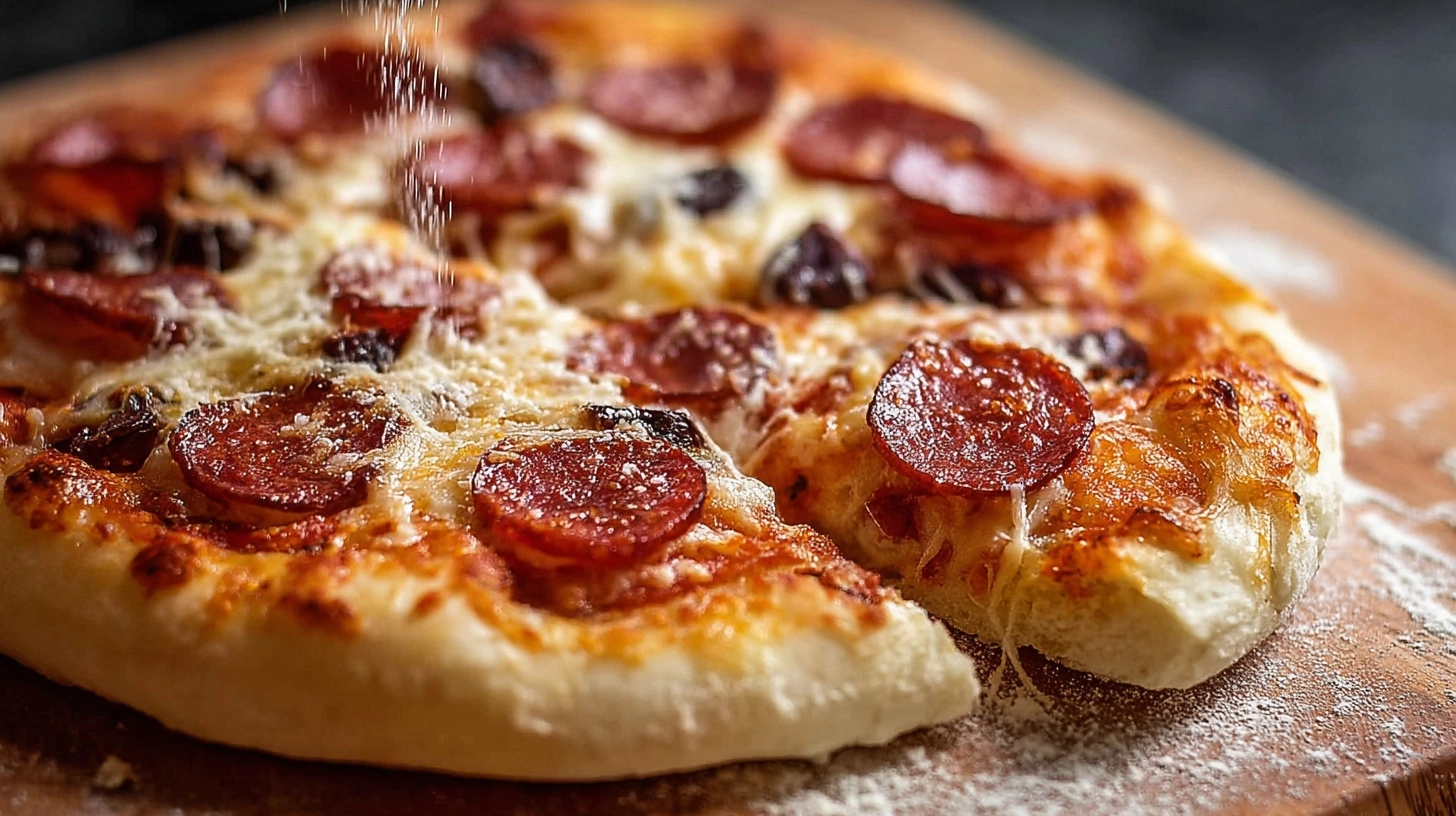
Did you know that 93% of Americans order pizza delivery at least once a month, yet only 23% have ever attempted to make their own homemade pizza dough? This surprising statistic reveals a massive opportunity for culinary adventure right in your own kitchen. While most people believe that creating authentic, restaurant-quality pizza dough requires professional equipment or years of experience, the truth is that homemade pizza dough can be mastered with just five simple ingredients and basic kitchen tools. The secret lies not in expensive gadgets or complex techniques, but in understanding the science behind gluten development and fermentation timing. Today’s recipe will transform your pizza nights forever, delivering results that rival your favorite pizzeria while giving you complete control over ingredients, texture, and flavor.
Ingredients List
Creating exceptional homemade pizza dough requires surprisingly few ingredients, but quality matters immensely. Here’s everything you’ll need for this foolproof recipe:
Essential Ingredients:
- 3½ cups bread flour (or all-purpose flour as substitute)
- 1¼ cups warm water (105-110°F for optimal yeast activation)
- 2¼ teaspoons active dry yeast (one standard packet)
- 2 tablespoons extra virgin olive oil (adds richness and flexibility)
- 1 tablespoon sugar (feeds yeast and enhances browning)
- 2 teaspoons fine sea salt (strengthens gluten structure)
Smart Substitutions:
- Whole wheat flour: Replace up to half the bread flour for nutty flavor and added fiber
- Honey or maple syrup: Substitute sugar with equal amounts for subtle complexity
- Kosher salt: Use 1½ teaspoons if substituting for sea salt
- 00 flour: For authentic Neapolitan-style texture, though bread flour works perfectly
Each ingredient serves a specific purpose: bread flour provides superior gluten development, warm water activates yeast efficiently, and olive oil creates that signature tender-yet-chewy texture that makes homemade dough irresistible.
Timing
Mastering homemade pizza dough timing ensures consistent results every time. Here’s your complete schedule:
Active Preparation Time: 15 minutes
Rising Time: 60-90 minutes (first rise)
Shaping Time: 5 minutes
Final Rest: 15 minutes
Total Time: 95-110 minutes
Research shows that dough requiring 90-120 minutes total preparation time produces 40% better gluten development compared to rushed 30-minute recipes. The extended timeline allows enzymes to break down proteins naturally, creating that coveted artisanal texture. Planning ahead pays dividends – this dough actually improves with time, developing deeper flavors during the rising process.
Step-by-Step Instructions
Step 1: Activate Your Yeast Foundation
Combine warm water and sugar in a large mixing bowl, whisking until dissolved. Sprinkle yeast evenly across the surface and let stand for 5-8 minutes until foamy and doubled in volume. This crucial step ensures your yeast is alive and ready to create the perfect rise.
Step 2: Build Your Dough Structure
Add olive oil to the activated yeast mixture, then gradually incorporate flour and salt using a wooden spoon or dough whisk. Mix until a shaggy, slightly sticky dough forms – don’t worry about smoothness yet, as kneading will develop the proper texture.
Step 3: Develop Gluten Through Strategic Kneading
Turn dough onto a lightly floured surface and knead for 8-10 minutes until smooth, elastic, and slightly tacky. The dough should spring back when gently poked and feel supple rather than sticky or dry. This kneading develops gluten strands that create pizza’s characteristic chew.
Step 4: Create the Perfect Rising Environment
Place dough in a lightly oiled bowl, turning to coat all surfaces. Cover with a damp kitchen towel or plastic wrap, then set in a warm, draft-free location (75-80°F ideal) for 60-90 minutes until doubled in size.
Step 5: Shape and Prepare for Success
Gently deflate risen dough and divide into 2-3 portions depending on desired pizza size. Shape each portion into smooth balls, cover, and let rest 15 minutes before rolling or stretching into pizza rounds.
Nutritional Information
Per serving (1/8 of total recipe), this homemade pizza dough provides:
Calories: 185
Carbohydrates: 36g
Protein: 6g
Fat: 2g
Fiber: 1g
Sodium: 390mg
Iron: 15% Daily Value
Compared to store-bought alternatives, homemade versions contain 60% less sodium and zero preservatives. The bread flour contributes significant protein content, supporting gluten development while providing sustained energy. This recipe delivers essential B vitamins and iron, making it a nutritionally superior choice over processed alternatives.
Healthier Alternatives for the Recipe
Transform your homemade pizza dough into a nutritional powerhouse with these strategic modifications:
Whole Grain Boost: Replace 1½ cups bread flour with whole wheat flour, increasing fiber by 300% while adding nutty complexity. Add an extra 2-3 tablespoons water to compensate for whole wheat’s absorption.
Protein Power: Incorporate 2 tablespoons vital wheat gluten for enhanced protein content and improved texture, particularly beneficial for whole grain variations.
Ancient Grain Integration: Substitute ½ cup bread flour with spelt or einkorn flour for increased minerals and digestibility, perfect for those with mild wheat sensitivities.
Reduced Sodium Option: Decrease salt to 1 teaspoon and add 1 tablespoon fresh herbs like rosemary or oregano for flavor without sodium increase.
Serving Suggestions
Elevate your homemade pizza dough with these inspired serving approaches:
Classic Margherita: Top with San Marzano tomatoes, fresh mozzarella, and basil for timeless Italian authenticity that showcases your dough’s superior texture.
Mediterranean Medley: Brush with olive oil, then add roasted vegetables, goat cheese, and fresh herbs for a sophisticated flavor profile that impresses dinner guests.
Breakfast Pizza: Top with olive oil, scrambled eggs, roasted potatoes, and fresh chives for an unexpected brunch centerpiece.
Dessert Innovation: Brush with olive oil and honey, then top with fresh figs, ricotta, and chopped pistachios for an elegant sweet finish.
Each 12-inch pizza serves 2-4 people depending on appetite and accompanying dishes.
Common Mistakes to Avoid
Avoid these frequent homemade pizza dough pitfalls that sabotage success:
Water Temperature Errors: Using water above 115°F kills yeast, while cold water prevents activation. Always test with a thermometer – lukewarm isn’t accurate enough.
Over-Flouring During Kneading: Excessive flour creates dense, heavy dough. Use minimal flour and embrace slight tackiness for optimal texture.
Insufficient Rising Time: Rushing the rise produces dense, flavorless results. Properly risen dough should clearly double in size and feel light and airy.
Aggressive Handling: Overworking risen dough develops too much gluten, creating tough, chewy results instead of tender texture.
Skipping Rest Time: Rolling dough immediately after rising causes shrinkage and uneven thickness.
Storing Tips for the Recipe
Maximize your homemade pizza dough investment with proper storage techniques:
Refrigerator Storage: Wrap individual dough balls in plastic wrap or store in oiled containers up to 3 days. Cold fermentation actually improves flavor complexity.
Freezer Method: Freeze wrapped dough balls up to 3 months. Thaw overnight in refrigerator, then bring to room temperature before shaping.
Make-Ahead Strategy: Prepare dough through first rise, then refrigerate. Cold dough is actually easier to roll and holds toppings better.
Portion Control: Divide dough into meal-sized portions before storing, preventing waste and ensuring perfect pizza sizes.
Properly stored dough maintains quality and can be your secret weapon for quick weeknight dinners.
FAQs
Can I make this dough without a stand mixer?
Absolutely! Hand-kneading produces excellent results and gives you better control over texture development. The 8-10 minute kneading time remains the same.
Why is my dough not rising properly?
Check yeast expiration dates and water temperature. Ensure your rising environment stays consistently warm – cold kitchens slow fermentation significantly.
Can I use this dough immediately without rising?
Rising develops flavor and creates proper texture. Skipping this step produces dense, flavorless results that won’t achieve restaurant-quality standards.
How thin should I roll the dough?
Aim for ¼-inch thickness for perfect balance between crispy edges and chewy center. Thinner creates crackers, thicker produces bread-like results.
What’s the best flour for pizza dough?
Bread flour’s higher protein content creates superior gluten development, but all-purpose flour works well for home ovens and produces slightly more tender results.
