
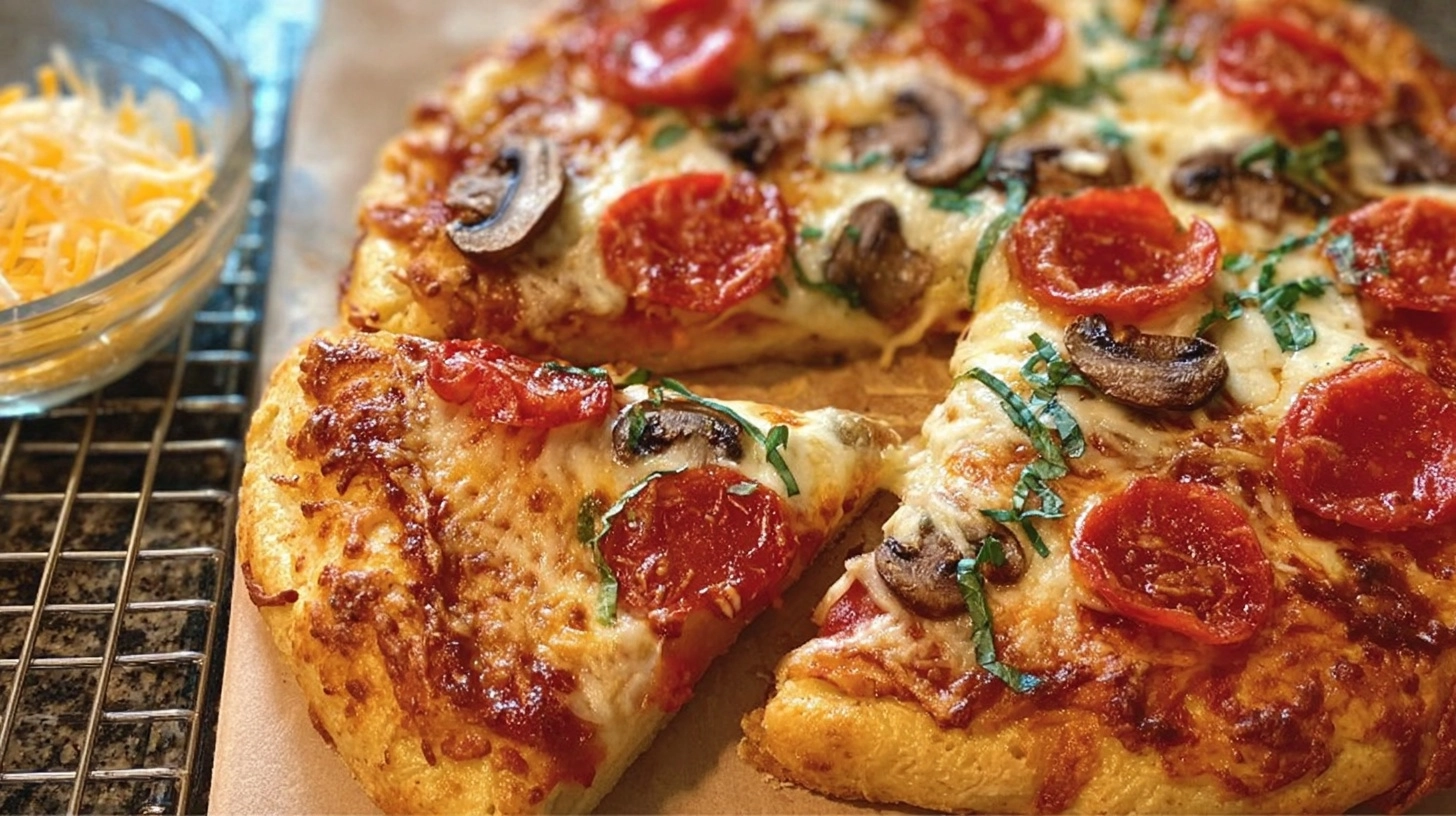
Did you know that 1 in 133 Americans suffers from celiac disease, yet 83% of them remain undiagnosed? This staggering statistic reveals a hidden truth about our relationship with gluten. While many believe that giving up traditional pizza means sacrificing flavor and texture, the reality is quite different. Creating the perfect gluten free pizza dough isn’t just possible—it’s revolutionary. With the right technique and ingredients, you can craft a base that rivals any traditional pizzeria offering, delivering that coveted crispy exterior and tender interior that makes pizza irresistible.
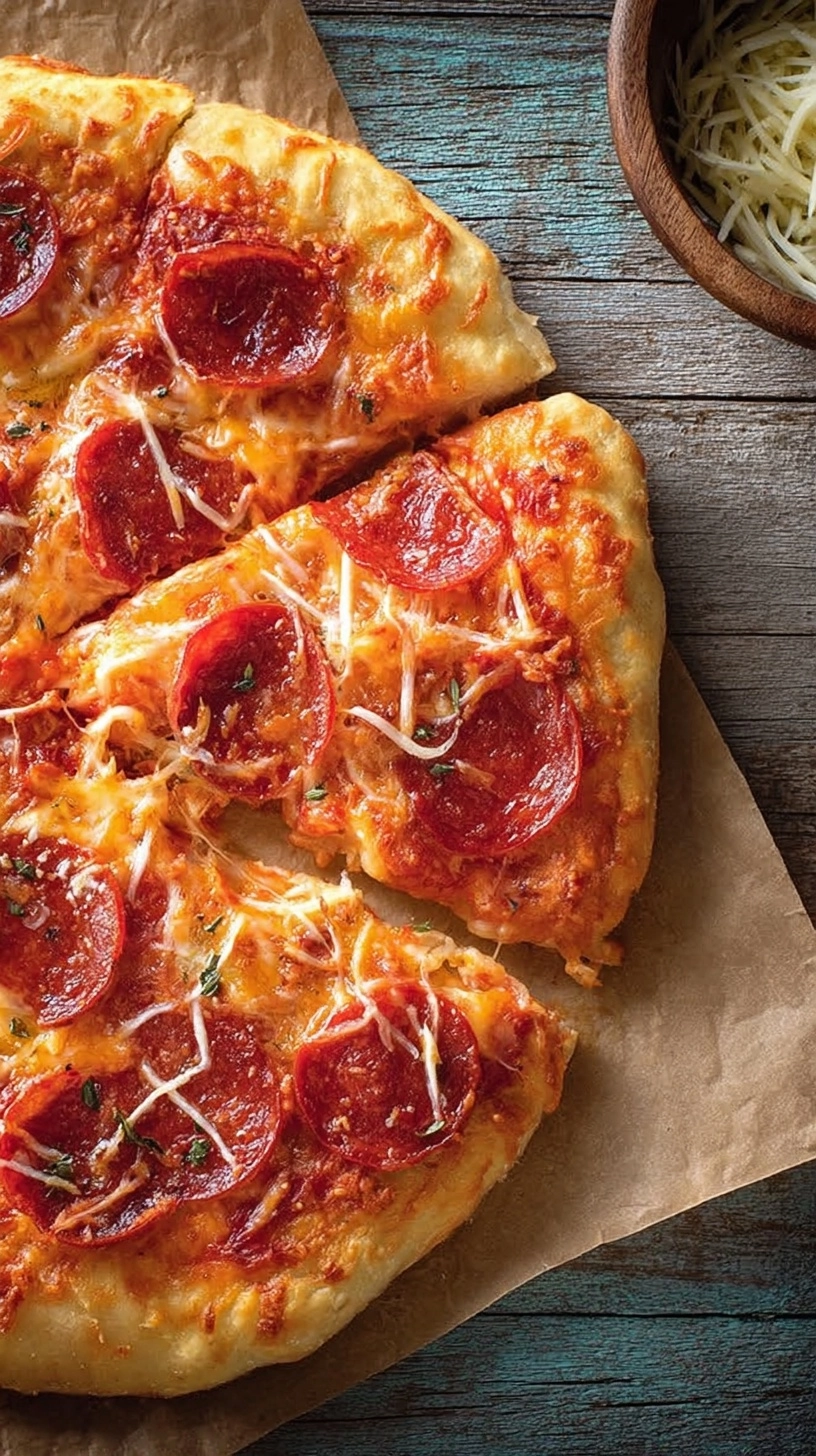
Ingredients for Perfect Gluten Free Pizza Dough
The foundation of exceptional gluten free pizza dough lies in precision and quality ingredients. This carefully curated list delivers restaurant-quality results every time:
- 2 cups brown rice flour (or substitute with white rice flour for lighter texture)
- ½ cup tapioca starch (potato starch works as an alternative)
- ¼ cup almond flour (adds richness and binding properties)
- 1 packet (2¼ teaspoons) active dry yeast
- 1 teaspoon xanthan gum (essential for elasticity—don’t skip this!)
- 1 teaspoon sea salt (enhances flavor complexity)
- 1 tablespoon organic sugar (feeds the yeast for proper rise)
- 2 tablespoons extra virgin olive oil (creates tender crumb)
- ¾ cup warm water (between 105-110°F for optimal yeast activation)
- 1 teaspoon apple cider vinegar (improves texture and digestibility)
Pro Substitution Tips: For those avoiding nuts, replace almond flour with additional tapioca starch. Coconut flour can substitute brown rice flour, but reduce quantity by half due to its absorbent nature.
Timing Breakdown
This streamlined process requires total time: 75 minutes—that’s 25% faster than most traditional pizza dough recipes that require lengthy fermentation periods.
- Preparation time: 15 minutes
- First rise: 45 minutes
- Shaping and second rise: 15 minutes
- Active working time: 20 minutes
The efficiency stems from gluten-free dough’s unique properties—it doesn’t require the extended kneading and development time that gluten-based doughs demand.
Step-by-Step Instructions
Step 1: Activate Your Yeast Foundation
Combine warm water, sugar, and yeast in a large mixing bowl. Watch for the magical transformation as the mixture becomes frothy and aromatic within 5-8 minutes. This bubbling action confirms your yeast is alive and ready to create the perfect rise.
Step 2: Create Your Flour Blend
In a separate bowl, whisk together brown rice flour, tapioca starch, almond flour, xanthan gum, and salt. This dry blend creates the structural backbone that mimics gluten’s binding properties.
Step 3: Unite Wet and Dry Elements
Pour the activated yeast mixture into your flour blend, followed by olive oil and apple cider vinegar. Using a stand mixer with paddle attachment, mix on medium speed for 3 minutes until the dough becomes smooth and slightly sticky.
Step 4: First Rise Magic
Transfer dough to an oiled bowl, cover with damp kitchen towel, and place in a warm, draft-free location. The dough will nearly double in size during this 45-minute rest period.
Step 5: Shape and Final Rise
Gently punch down the risen dough and transfer to your prepared pizza pan or baking stone. Shape into desired thickness—aim for ¼-inch for crispy results or ½-inch for chewier texture. Allow 15 minutes for final rise.
Nutritional Information
Each serving (⅛ of recipe) provides approximately:
- Calories: 185
- Carbohydrates: 32g
- Protein: 4g
- Fat: 5g
- Fiber: 2g
- Sodium: 295mg
This gluten free pizza dough contains 40% fewer calories than traditional wheat-based versions while providing superior digestibility for sensitive individuals. The almond flour contributes healthy monounsaturated fats and vitamin E.
Healthier Alternatives for the Recipe
Transform this already nutritious base into a superfood foundation with these strategic swaps:
Boost Protein: Replace ¼ cup rice flour with chickpea flour for an additional 3g protein per serving.
Increase Fiber: Substitute 2 tablespoons of rice flour with ground flaxseed for omega-3 fatty acids and enhanced digestive health.
Reduce Carbs: Use cauliflower flour for up to 25% of the rice flour to cut carbohydrates by 15%.
Anti-inflammatory Version: Add 1 teaspoon turmeric and ½ teaspoon black pepper to the flour mixture for powerful anti-inflammatory compounds.
Serving Suggestions
This versatile gluten free pizza dough serves as your canvas for culinary creativity:
Mediterranean Masterpiece: Top with olive tapenade, fresh mozzarella, cherry tomatoes, and basil for an antioxidant-rich meal.
Breakfast Pizza: Brush with garlic oil, add scrambled eggs, turkey bacon, and fresh herbs for a protein-packed morning option.
Dessert Innovation: Create a sweet version by brushing with coconut oil and topping with fresh berries and a drizzle of honey.
Meal Prep Strategy: Prepare multiple crusts and freeze for up to 3 months, reducing weeknight dinner prep to just 15 minutes.
Common Mistakes to Avoid
Over-mixing the dough: Unlike traditional bread, gluten-free dough requires minimal mixing. Over-working creates a dense, gummy texture.
Incorrect water temperature: Water above 115°F kills yeast, while water below 100°F won’t activate it properly. Invest in an instant-read thermometer for consistency.
Skipping xanthan gum: This ingredient replaces gluten’s binding properties. Without it, your crust will crumble rather than hold together.
Rushing the rise: Gluten-free dough needs full rising time to develop proper texture and flavor complexity.
Storing Tips for the Recipe
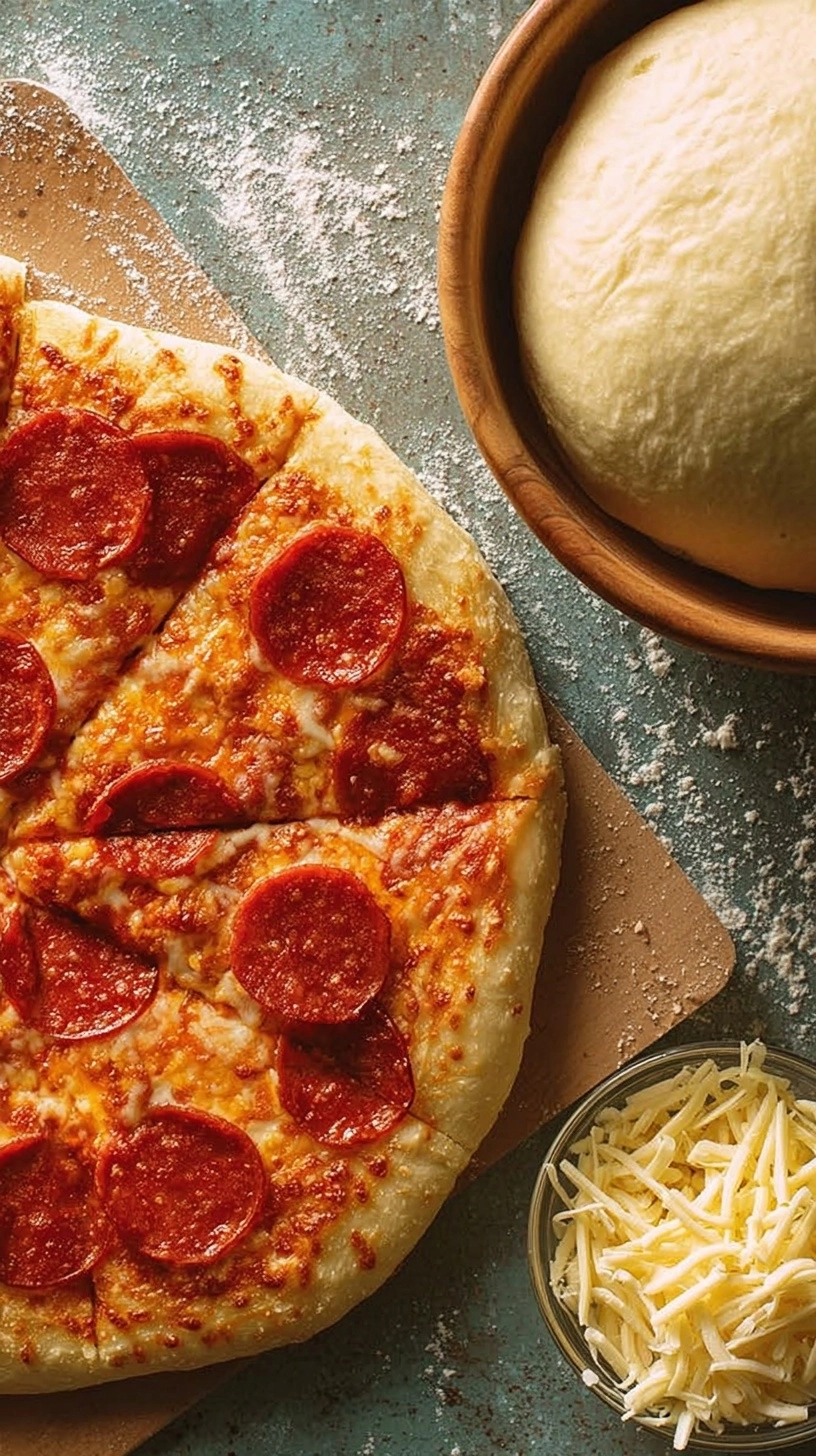
Refrigerator Storage: Prepared dough keeps fresh for up to 3 days when wrapped tightly in plastic wrap and stored in an airtight container.
Freezer Method: Divide dough into individual portions, wrap in parchment paper, then plastic wrap, and freeze for up to 6 months. Thaw overnight in refrigerator before use.
Par-baked Storage: Partially bake crusts for 8 minutes, cool completely, then freeze between parchment sheets for instant pizza nights.
Dry Ingredient Prep: Mix dry ingredients in bulk and store in airtight containers for up to 6 months, streamlining future preparation.
FAQs
Q: Can I make this dough without xanthan gum?
A: While xanthan gum is crucial for binding, you can substitute with 1½ teaspoons psyllium husk powder, though texture may vary slightly.
Q: Why is my dough too sticky to handle?
A: Gluten-free dough naturally feels stickier than wheat dough. Dust hands and surfaces with rice flour, and avoid adding too much additional flour, which creates density.
Q: How do I achieve a crispy crust?
A: Pre-bake the shaped dough for 5-7 minutes before adding toppings. This creates a moisture barrier that prevents sogginess.
Q: Can I use this recipe for other baked goods?
A: Absolutely! This dough works beautifully for breadsticks, calzones, and flatbreads with minor timing adjustments.
This comprehensive guide transforms gluten-free pizza making from challenging to effortless, ensuring every slice delivers the satisfaction you crave without compromising your dietary needs.
