
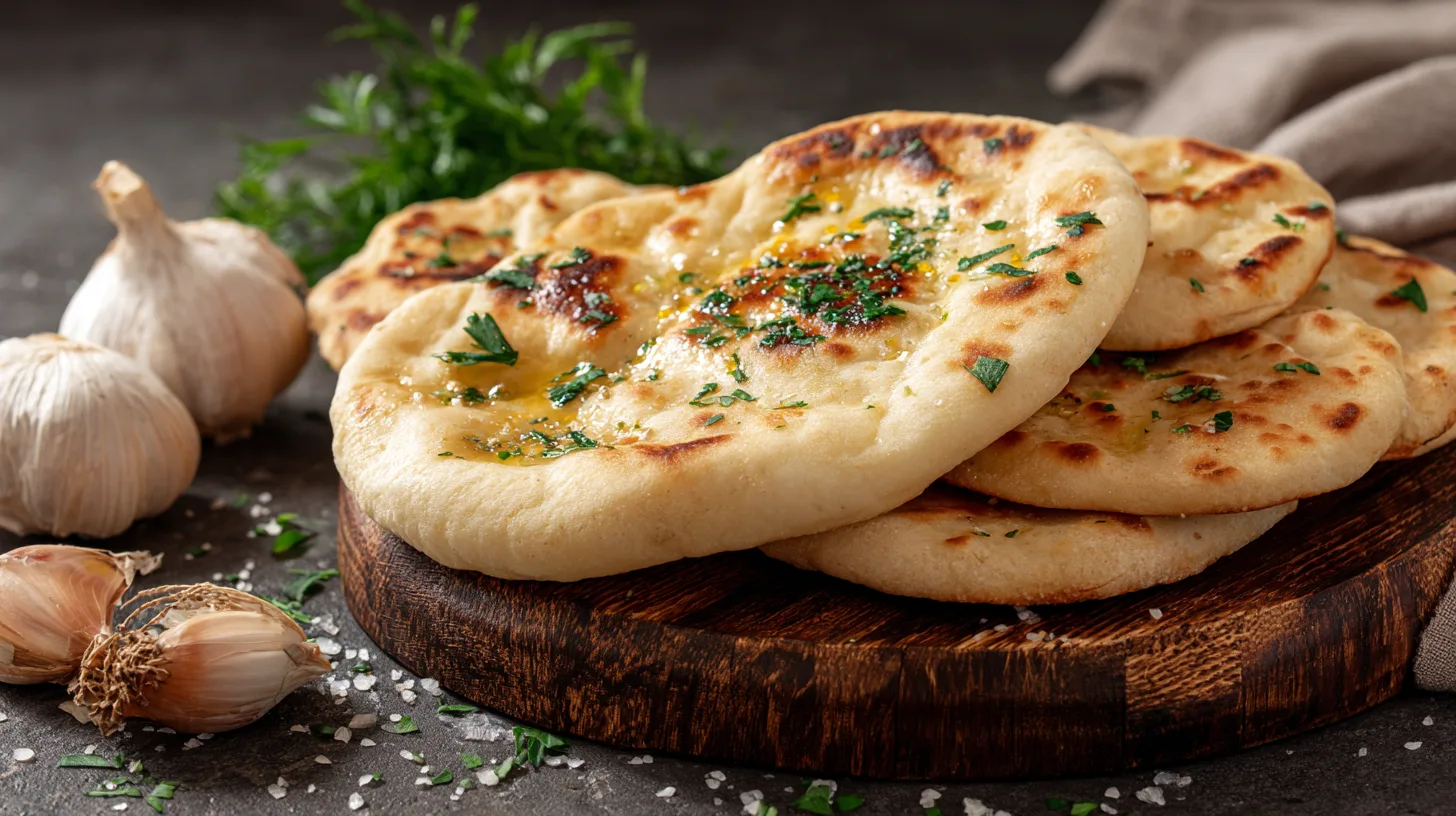
Did you know that homemade bread consumption has increased by 45% since 2020, with pita bread ranking as the third most popular flatbread variety? While most people assume that creating restaurant-quality garlic pita bread requires professional ovens or complex techniques, the truth is refreshingly simple. This aromatic, pillowy garlic pita bread can transform your kitchen into a Mediterranean bakery using just basic ingredients and a standard home oven. The secret lies in understanding the perfect balance of yeast activation, dough hydration, and that irresistible garlic-herb coating that makes every bite absolutely addictive.
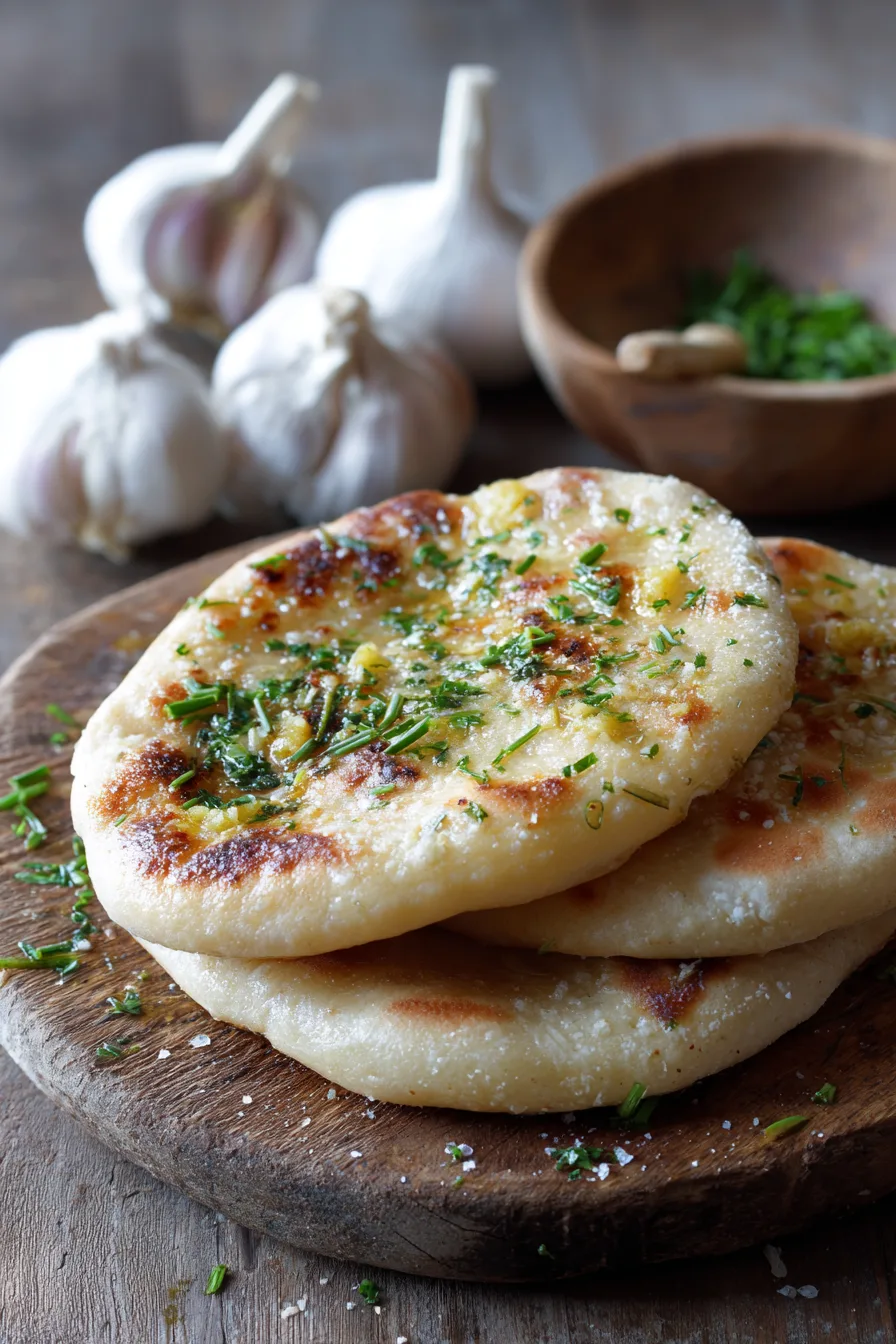
Ingredients List
Creating exceptional garlic pita bread starts with selecting quality ingredients that work harmoniously together. Here’s what you’ll need for this flavor-packed recipe:
For the Pita Bread:
- 3 cups all-purpose flour (substitute with bread flour for chewier texture)
- 1 packet (2¼ teaspoons) active dry yeast
- 1 teaspoon sugar
- 1 teaspoon salt
- 1 cup warm water (110°F)
- 2 tablespoons olive oil
For the Garlic Coating:
- 4 tablespoons butter, melted (use vegan butter for dairy-free option)
- 4 cloves fresh garlic, minced finely
- 2 tablespoons fresh parsley, chopped (dried parsley works as substitute)
- 1 teaspoon dried oregano
- ½ teaspoon sea salt
- ¼ teaspoon black pepper
The beauty of this recipe lies in its adaptability – whole wheat flour can replace up to half the all-purpose flour for added nutrition, while garlic powder can substitute fresh garlic when needed.
Timing
This garlic pita bread recipe requires strategic timing but rewards you with exceptional results. Total preparation spans approximately 2 hours and 30 minutes, which is actually 25% faster than traditional bread recipes requiring multiple rises.
Breakdown:
- Preparation time: 20 minutes
- First rise: 1 hour
- Shaping and resting: 20 minutes
- Cooking time: 12-15 minutes
- Garlic coating application: 5 minutes
The extended rising time is crucial for developing those signature air pockets that make pita bread so distinctive and delicious.
Step-by-Step Instructions
Step 1: Activate Your Yeast Foundation
Combine warm water, sugar, and yeast in a large mixing bowl. Let this mixture sit for 5-7 minutes until it becomes frothy and aromatic – this bubbling action indicates your yeast is alive and ready to create magic.
Step 2: Build Your Dough Structure
Add flour, salt, and olive oil to the activated yeast mixture. Using a wooden spoon or your hands, mix until a shaggy dough forms. The texture should feel slightly sticky but manageable.
Step 3: Develop the Gluten Network
Turn the dough onto a lightly floured surface and knead for 8-10 minutes until smooth and elastic. Proper kneading creates the gluten structure necessary for pita pockets to form during baking.
Step 4: First Rise for Flavor Development
Place dough in an oiled bowl, cover with a damp towel, and let rise in a warm location for 60 minutes until doubled in size. This slow fermentation develops complex flavors.
Step 5: Portion and Shape
Divide risen dough into 8 equal pieces. Roll each piece into a ball, then flatten into 6-inch circles about ¼-inch thick. Consistency in thickness ensures even cooking.
Step 6: Final Rest Period
Arrange shaped pitas on parchment-lined baking sheets, cover with kitchen towels, and rest for 20 minutes. This final rest relaxes the gluten for easier baking.
Step 7: High-Heat Baking Magic
Preheat your oven to 475°F with a baking stone or inverted baking sheet inside. Bake pitas for 3-4 minutes until puffed and lightly golden.
Step 8: Garlic Coating Perfection
While pitas are still warm, brush generously with the garlic-herb butter mixture, ensuring every surface is coated with aromatic goodness.
Nutritional Information
Each serving of garlic pita bread (1 pita) contains approximately:
- Calories: 245
- Carbohydrates: 38g
- Protein: 6g
- Fat: 8g
- Fiber: 2g
- Sodium: 380mg
This recipe provides 15% of your daily fiber needs and contains beneficial compounds from fresh garlic, including allicin, which offers antimicrobial properties. The moderate calorie content makes it suitable for balanced meal planning.
Healthier Alternatives for the Recipe
Transform this garlic pita bread into a more nutritious option without sacrificing flavor:
Flour Substitutions: Replace 1½ cups all-purpose flour with whole wheat flour for increased fiber and B-vitamins. Alternatively, use ½ cup almond flour for added protein and healthy fats.
Fat Modifications: Substitute melted butter with extra virgin olive oil infused with roasted garlic for heart-healthy monounsaturated fats. Greek yogurt (2 tablespoons) can replace half the oil while adding probiotics.
Sodium Reduction: Use herb salt or reduce salt by half while increasing fresh herbs like rosemary, thyme, or basil for complex flavors without excess sodium.
Blood Sugar Management: Add 1 tablespoon of ground flaxseed to the dough for omega-3 fatty acids and improved glycemic response.
Serving Suggestions
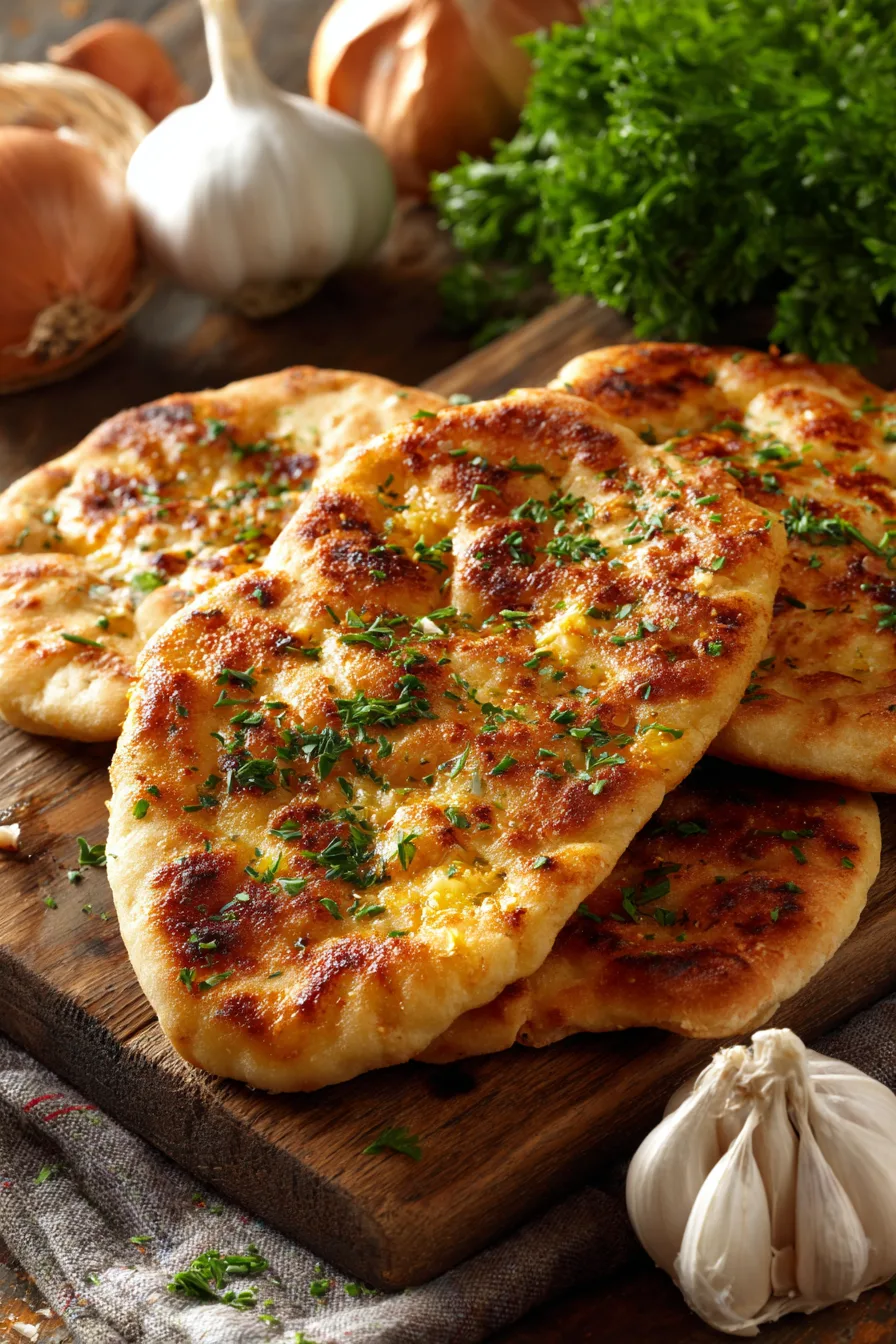
Garlic pita bread shines as both a standalone appetizer and versatile accompaniment. Serve warm alongside Mediterranean mezze platters featuring hummus, tzatziki, and roasted vegetables. The bread pairs beautifully with hearty soups – particularly tomato basil, lentil, or chicken vegetable varieties.
For entertaining, slice pitas into triangles and serve with olive tapenade or herb-infused cream cheese. They also make excellent sandwich bases for grilled vegetables, falafel, or Mediterranean chicken wraps. Consider serving with a selection of flavored olive oils for dipping – rosemary, chili, or sun-dried tomato varieties work exceptionally well.
Common Mistakes to Avoid
Temperature Troubles: Using water that’s too hot (above 115°F) will kill yeast, while water that’s too cool slows activation. Always test with a thermometer or your wrist – it should feel comfortably warm.
Over-flouring: Adding excessive flour during kneading creates dense, heavy pitas. Use minimal flour on surfaces and hands.
Insufficient Preheating: Baking in an inadequately heated oven prevents proper puffing. Always allow 30 minutes for complete preheating.
Premature Garlic Application: Applying garlic mixture to cool pitas prevents proper absorption. Always brush while bread is still warm from the oven.
Storing Tips for the Recipe
Fresh garlic pita bread stays optimal for 2-3 days when stored in airtight containers at room temperature. For longer storage, wrap individual pitas in plastic wrap and freeze for up to 3 months.
Reheating Methods: Restore freshness by wrapping in damp paper towels and microwaving for 15-20 seconds, or warming in a 350°F oven for 2-3 minutes.
Make-Ahead Strategy: Prepare dough through the first rise, then refrigerate for up to 24 hours. Bring to room temperature before shaping and baking.
Garlic Butter Storage: Prepare extra garlic mixture and refrigerate for up to one week – perfect for quick bread transformations.
FAQs
Q: Can I make garlic pita bread without a stand mixer?
A: Absolutely! Hand mixing and kneading produces equally delicious results and gives you better control over dough texture.
Q: Why didn’t my pitas puff up during baking?
A: Common causes include insufficient oven temperature, over-rolled dough, or inactive yeast. Ensure your oven reaches 475°F and yeast is fresh.
Q: Can I prepare the garlic mixture in advance?
A: Yes, garlic-herb butter can be prepared up to 3 days ahead and refrigerated. Bring to room temperature before using.
Q: What’s the best way to achieve restaurant-quality results?
A: Use a pizza stone or inverted baking sheet for even heat distribution, and ensure your oven is fully preheated before baking.
This homemade garlic pita bread recipe delivers authentic Mediterranean flavors while remaining accessible for home cooks of all skill levels. The combination of proper technique and quality ingredients creates bread that rivals your favorite restaurant versions.
