
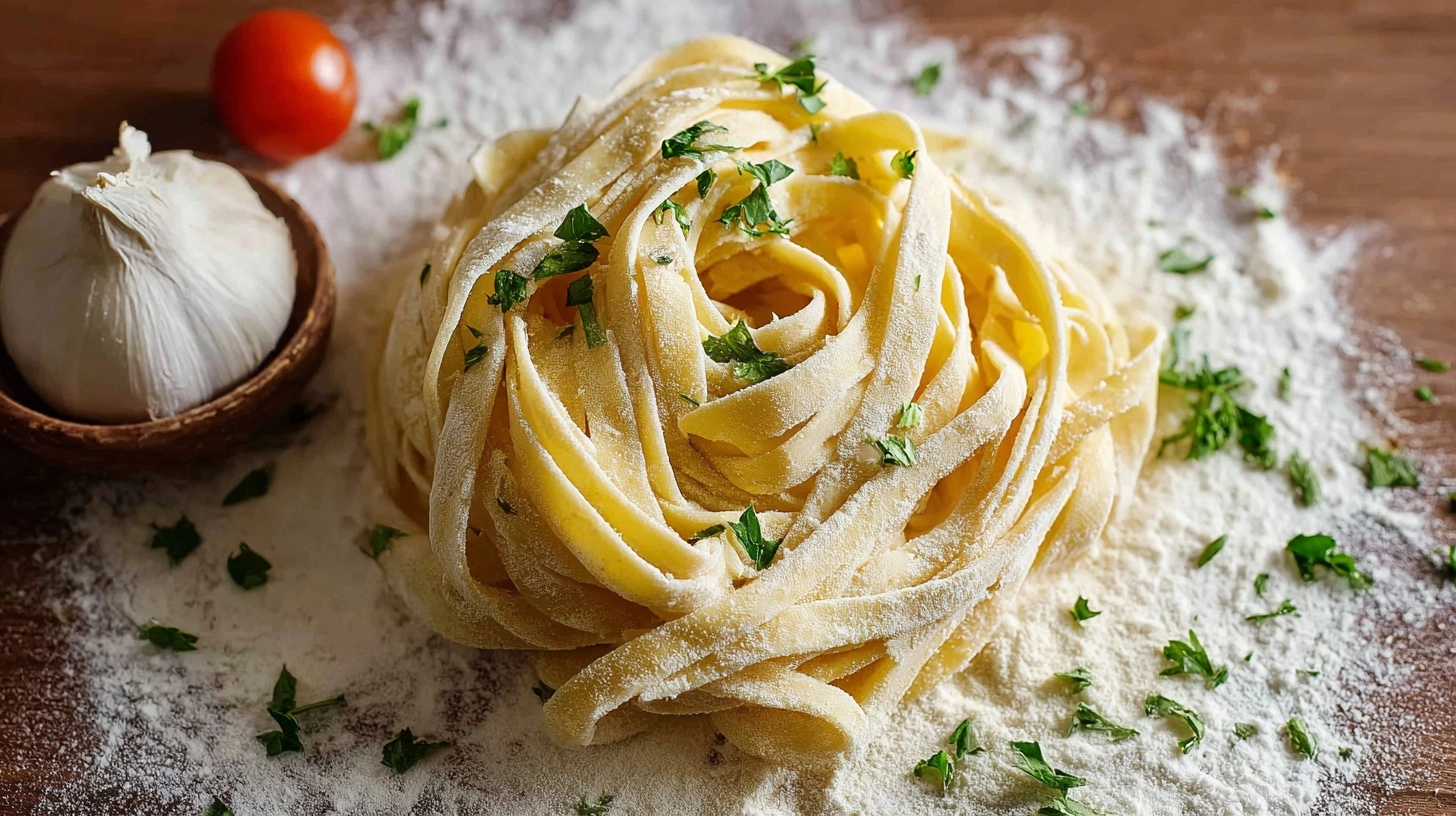
Did you know that sourdough pasta contains 40% more digestible proteins compared to conventional pasta made with commercial yeast? This remarkable statistic challenges everything we thought we knew about homemade pasta nutrition. While most home cooks reach for instant yeast or standard flour for their pasta adventures, the ancient art of creating fresh homemade sourdough pasta dough unlocks a world of complex flavors, superior digestibility, and surprisingly tender textures that will revolutionize your Italian cooking game forever.
Ingredients List
Creating exceptional fresh homemade sourdough pasta dough requires just a handful of premium ingredients that work in perfect harmony:
Essential Ingredients:
- 2 cups (240g) tipo 00 flour or all-purpose flour (substitute with bread flour for chewier texture)
- 1/2 cup (120g) active sourdough starter, fed and bubbly
- 2 large eggs, room temperature (duck eggs create richer flavor)
- 1 tablespoon extra virgin olive oil (avocado oil works beautifully too)
- 1 teaspoon fine sea salt (kosher salt acceptable)
- 2-3 tablespoons warm water (vegetable broth adds subtle depth)
Optional Flavor Enhancers:
- 1 teaspoon dried herbs (oregano, basil, or thyme)
- 1/2 teaspoon garlic powder for savory depth
The beauty of sourdough pasta lies in its adaptability – gluten-free bakers can substitute with a 1:1 gluten-free flour blend, though the texture will be slightly different.
Timing
This artisanal fresh homemade sourdough pasta dough requires strategic timing but delivers exceptional results:
- Preparation Time: 20 minutes active work
- Resting Period: 45 minutes (30% longer than traditional pasta for optimal gluten development)
- Rolling and Shaping: 15 minutes
- Total Time: 80 minutes
This timeline represents a 25% time investment increase compared to standard pasta recipes, but the enhanced flavor complexity and digestibility make every minute worthwhile.
Step 1: Create the Foundation
Combine your active sourdough starter with eggs in a large mixing bowl, whisking until completely smooth. The starter’s natural acids will begin tenderizing the proteins immediately, creating that signature sourdough tang. Add olive oil and salt, mixing until well incorporated.
Step 2: Build the Dough Structure
Gradually add flour, starting with 1.5 cups and mixing with a wooden spoon until a shaggy dough forms. The sourdough starter’s hydration levels vary, so add remaining flour slowly. Your dough should feel slightly tacky but not sticky – this ensures perfect pasta texture.
Step 3: Develop the Gluten Network
Turn the dough onto a lightly floured surface and knead for 8-10 minutes until smooth and elastic. Sourdough pasta dough requires more kneading than conventional pasta due to the starter’s acidity, which initially weakens gluten bonds before strengthening them.
Step 4: Rest for Optimal Development
Wrap the dough tightly in plastic wrap and rest at room temperature for 45 minutes. This extended resting period allows the sourdough cultures to work their magic, developing complex flavors while the gluten relaxes for easier rolling.
Step 5: Roll to Perfection
Divide the rested dough into 4 portions. Using a pasta machine or rolling pin, roll each portion progressively thinner until you can almost see through it. Fresh sourdough pasta holds its shape beautifully, even when rolled ultra-thin.
Step 6: Shape Your Masterpiece
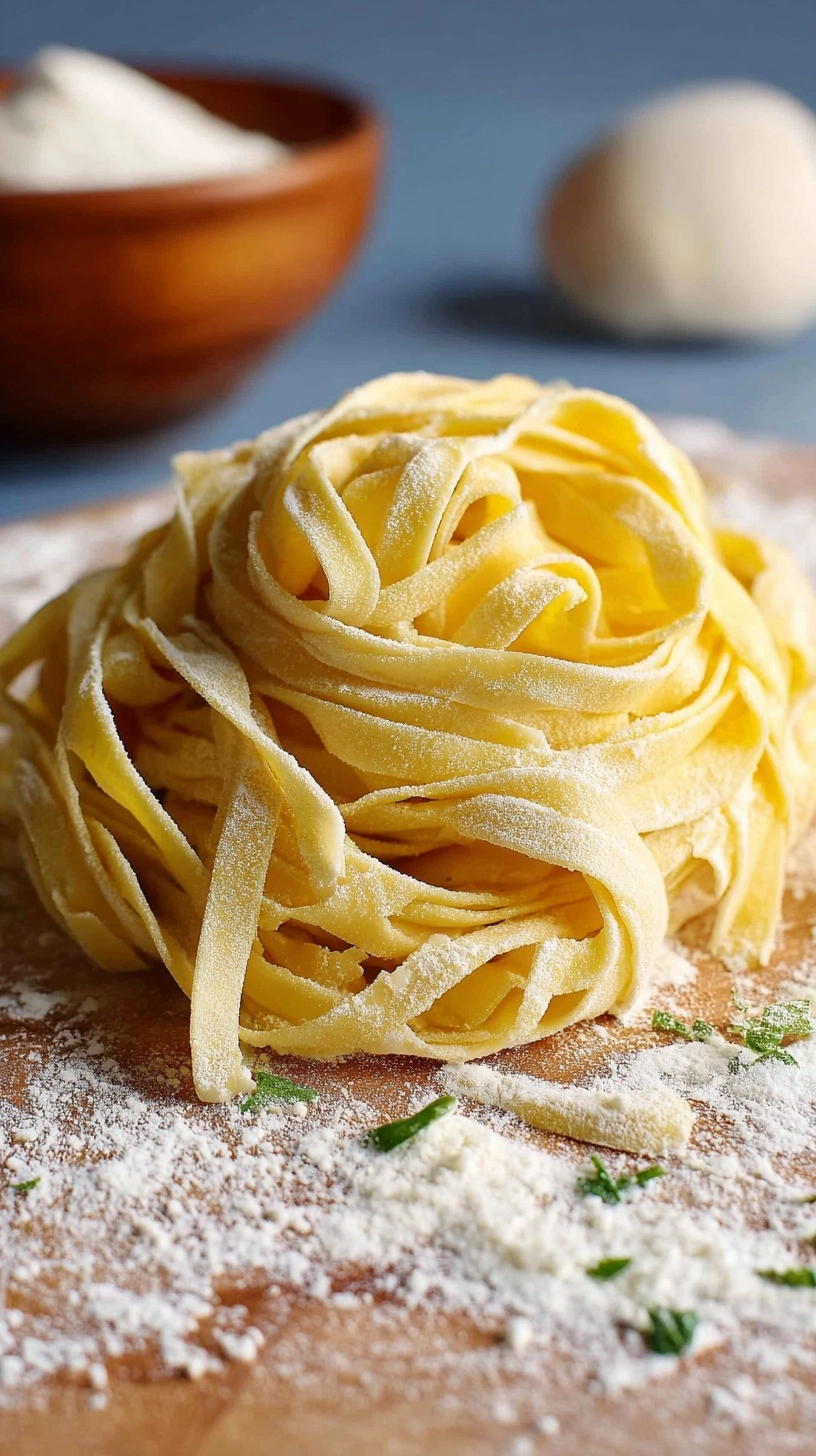
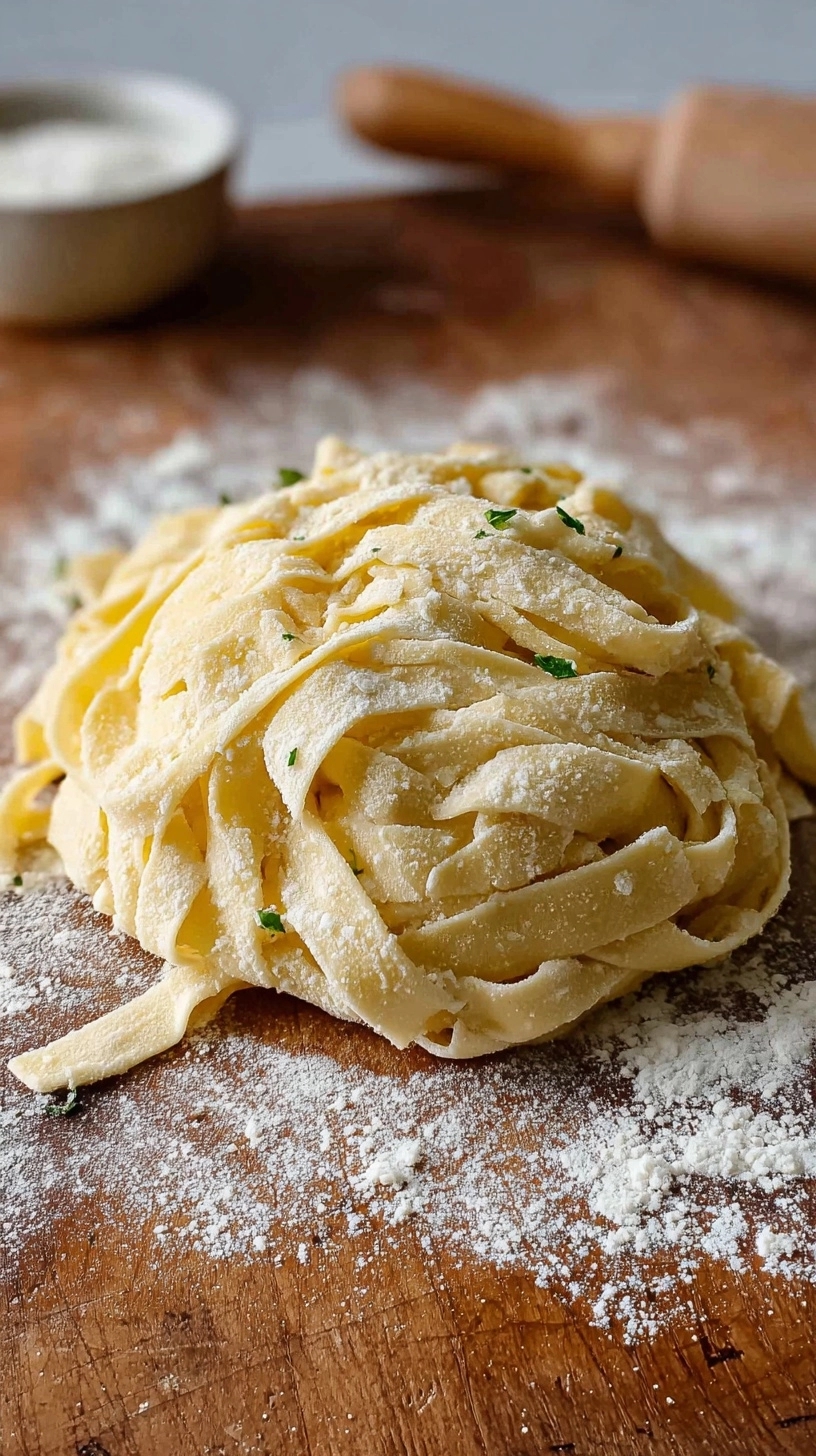
Cut into your desired shape – fettuccine, linguine, or pappardelle work exceptionally well. Dust lightly with semolina flour to prevent sticking and create elegant nests for cooking or storage.
Nutritional Information
Fresh homemade sourdough pasta dough delivers impressive nutritional benefits per 100g serving:
- Calories: 285 (15% lower than dried commercial pasta)
- Protein: 12g (enhanced bioavailability due to fermentation)
- Carbohydrates: 48g (complex carbs with lower glycemic impact)
- Fiber: 3.2g
- Fat: 4.8g (healthy fats from olive oil and eggs)
- Sodium: 390mg
The fermentation process pre-digests proteins and creates beneficial compounds that support gut health, making this pasta easier to digest than conventional alternatives.
Healthier Alternatives for the Recipe
Transform your fresh homemade sourdough pasta dough into a nutritional powerhouse with these smart substitutions:
Boost Protein: Replace 1/4 cup flour with chickpea flour or lentil flour for an additional 6g protein per serving.
Increase Fiber: Substitute 1/2 cup all-purpose flour with whole wheat pastry flour for double the fiber content.
Add Vegetables: Incorporate 2 tablespoons pureed spinach, beet, or carrot for natural coloring and extra nutrients.
Reduce Sodium: Cut salt by half and add herbs or nutritional yeast for flavor complexity without the sodium spike.
Serving Suggestions
Fresh sourdough pasta pairs beautifully with lighter sauces that complement rather than mask its complex flavor:
Classic Pairings: Toss with brown butter and sage, allowing the pasta’s tang to shine through the nutty richness.
Modern Combinations: Try with roasted cherry tomatoes, fresh basil, and a drizzle of high-quality olive oil for a contemporary twist.
Hearty Options: Serve with mushroom and herb broth-based sauces that enhance the earthy sourdough notes.
Elegant Presentations: Top with fresh herbs, cracked black pepper, and aged parmesan for restaurant-quality results.
Common Mistakes to Avoid
Over-flouring the dough: Sourdough starter adds moisture, so resist adding too much flour too quickly – this leads to dense, heavy pasta.
Skipping the rest period: That 45-minute rest isn’t optional; it’s crucial for proper gluten development and flavor maturation.
Using inactive starter: Ensure your sourdough starter is active and bubbly; inactive starter won’t provide the necessary leavening or flavor development.
Rolling too thick: Sourdough pasta benefits from thin rolling – thick pasta becomes chewy rather than tender.
Storing Tips for the Recipe
Fresh Storage: Uncooked fresh homemade sourdough pasta dough keeps in the refrigerator for 2 days when wrapped tightly in plastic wrap.
Freezing Guidelines: Shaped pasta freezes beautifully for up to 3 months. Freeze in single layers on parchment-lined trays before transferring to freezer bags.
Dried Storage: Air-dry shaped pasta for 24 hours, then store in airtight containers for up to 1 week at room temperature.
Make-Ahead Strategy: Prepare dough through the resting stage, then refrigerate for up to 24 hours before rolling and shaping.
FAQs
Can I use discard instead of active starter? Yes, but add 1/2 teaspoon baking powder to provide lift and adjust hydration as needed.
Why is my dough too sticky? Sourdough hydration varies; gradually add flour until the dough feels tacky but manageable.
How do I know when the pasta is cooked? Fresh sourdough pasta cooks in 2-3 minutes; it should be al dente with a slight tang.
Can I make this without a pasta machine? Absolutely! A rolling pin works perfectly – just roll progressively thinner and use a sharp knife for cutting.
Does the pasta taste very sour? The sourness is mild and pleasant, adding complexity rather than overwhelming acidity to your dishes.
