
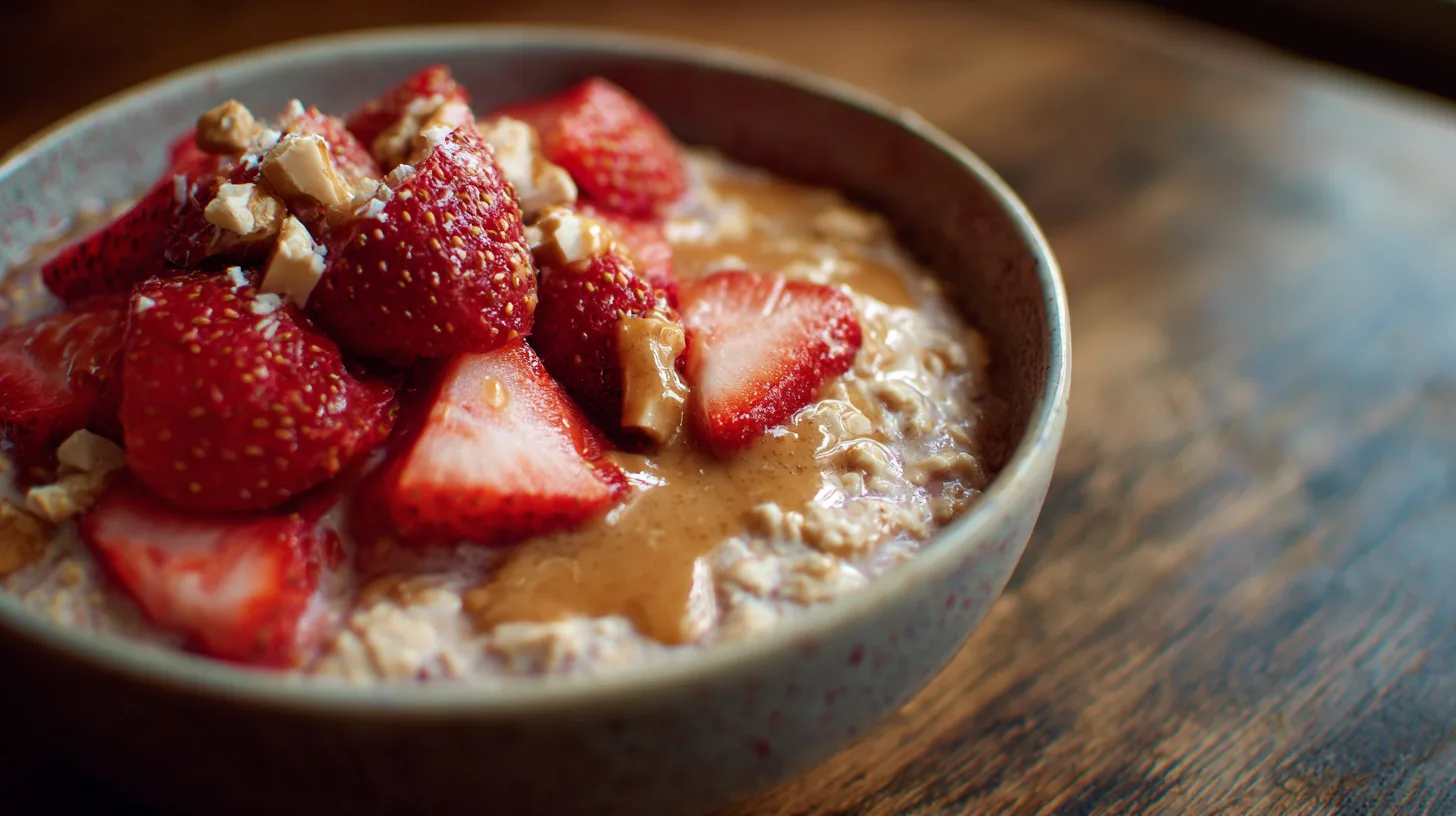
Did you know that 73% of Americans skip breakfast due to time constraints, yet those who eat a nutritious morning meal are 31% more likely to maintain a healthy weight throughout the day? Enter brown sugar overnight oats – the game-changing breakfast solution that transforms your mornings from chaotic to effortlessly delicious. While most people believe healthy breakfasts require extensive morning preparation, this make-ahead marvel proves that the most nutritious meals actually happen while you sleep. By combining the natural sweetness of brown sugar with fiber-rich oats and creamy textures, you’re creating a breakfast that satisfies both your taste buds and your body’s nutritional needs, all while saving precious morning minutes.
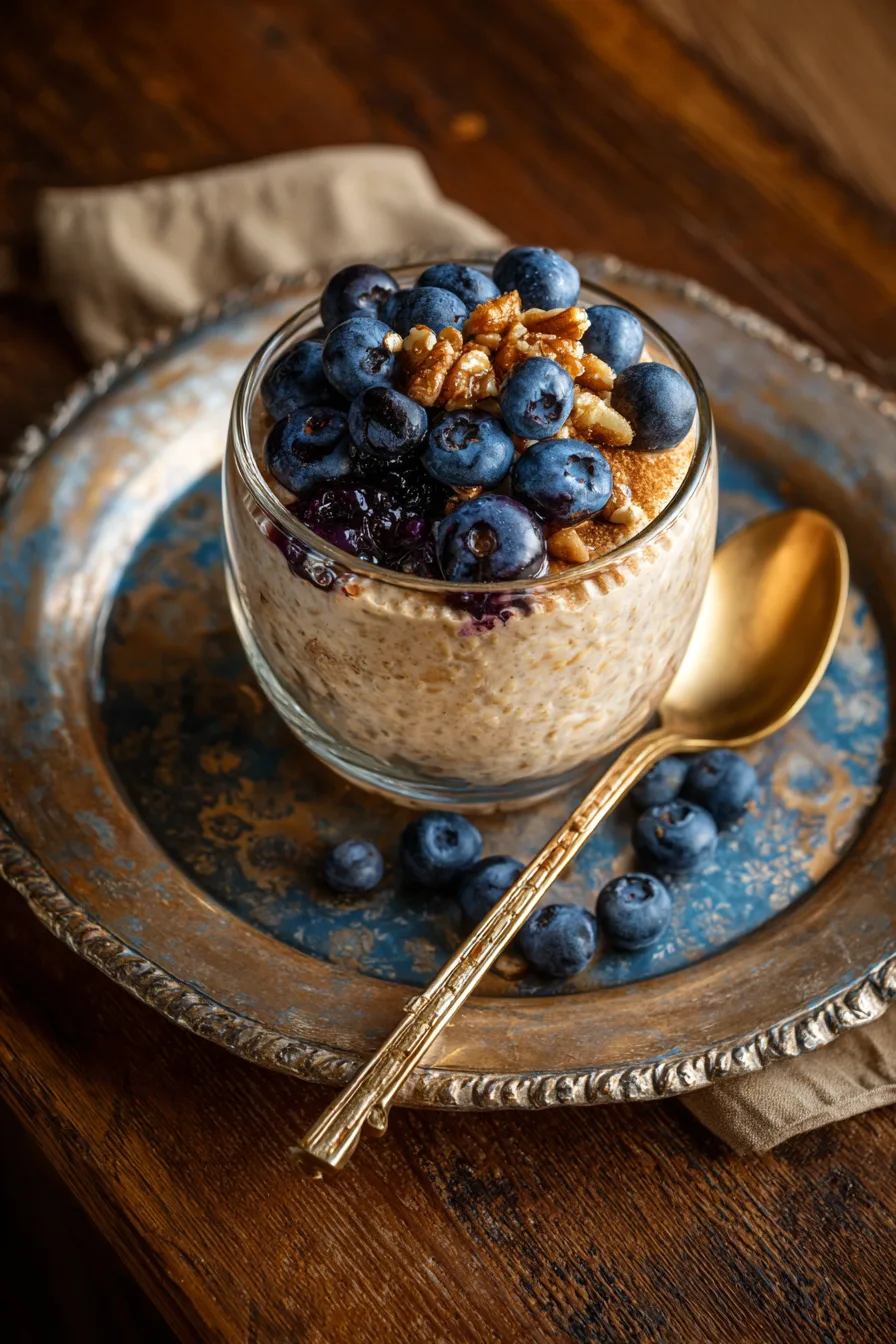
Ingredients List
Creating the perfect brown sugar overnight oats requires just a handful of pantry staples that work together to create morning magic:
Base Ingredients:
- 1/2 cup rolled oats (old-fashioned work best; avoid quick oats for optimal texture)
- 1/2 cup milk of choice (whole milk creates creaminess, almond milk adds nuttiness, oat milk enhances the oat flavor)
- 2 tablespoons brown sugar (light brown sugar for subtle sweetness, dark brown for molasses richness)
- 1 tablespoon chia seeds (optional but recommended for omega-3s and thickness)
- 1/4 teaspoon vanilla extract
- Pinch of salt (enhances all flavors)
Flavor Enhancers:
- 1/4 teaspoon cinnamon (adds warmth and helps regulate blood sugar)
- 2 tablespoons Greek yogurt (for protein and tanginess)
Topping Options:
- Fresh berries, sliced bananas, chopped nuts, or a drizzle of maple syrup
Smart Substitutions: Replace brown sugar with mashed banana for natural sweetness, swap regular milk for coconut milk for tropical flair, or use steel-cut oats if you prefer more texture (though they require longer soaking).
Timing
This recipe operates on the beautiful principle of “set it and forget it.” Active preparation time: 5 minutes of hands-on mixing – that’s 60% faster than preparing traditional hot oatmeal. Passive preparation time: 8-12 hours of refrigeration while you sleep. Total time: Just 5 minutes of your evening plus grab-and-go convenience in the morning.
The overnight soaking process allows oats to absorb liquid gradually, creating a naturally creamy texture without any cooking. This method actually preserves more nutrients compared to heat-cooking, making your breakfast both convenient and nutritionally superior.
Step 1: Combine Your Dry Ingredients
Master the Foundation
In a mason jar or airtight container, whisk together your rolled oats, brown sugar, chia seeds, cinnamon, and salt. This dry mixing step ensures even distribution of sweetness and prevents clumping. Pro tip: Make a large batch of this dry mixture on Sundays to streamline your week.
Step 2: Add Your Liquid Components
Create the Creamy Base
Pour in your milk and vanilla extract, stirring thoroughly to dissolve the brown sugar completely. The key here is achieving the right oat-to-liquid ratio – too little liquid results in dense, chewy oats, while too much creates soup. If you’re adding Greek yogurt, fold it in gently to maintain its creamy texture.
Step 3: The Overnight Magic
Let Time Work Its Magic
Seal your container and refrigerate for at least 8 hours. During this time, the oats absorb the liquid, chia seeds expand to create natural thickness, and flavors meld together beautifully. The brown sugar slowly caramelizes slightly, creating depth that instant oatmeal simply cannot achieve.
Step 4: Morning Assembly
Customize Your Creation
Remove from refrigerator and give it a gentle stir. The consistency should be creamy but not soupy. Add your favorite toppings – fresh fruit adds vitamins and natural sweetness, nuts provide healthy fats and crunch, and a drizzle of maple syrup enhances the brown sugar’s caramel notes.
Nutritional Information
One serving of brown sugar overnight oats delivers impressive nutritional value: approximately 320 calories, 12 grams of protein, 8 grams of fiber, and essential minerals including manganese, phosphorus, and magnesium. The beta-glucan fiber in oats has been shown to reduce cholesterol levels by up to 10% when consumed regularly.
The brown sugar provides quick energy (about 11 grams of natural sugars), while the complex carbohydrates from oats ensure sustained energy release throughout your morning. Adding Greek yogurt increases protein content to 18 grams, supporting muscle maintenance and satiety.
Healthier Alternatives for the Recipe
Transform your brown sugar overnight oats into a nutritional powerhouse with these smart swaps:
Sugar Alternatives: Replace brown sugar with 1 mashed ripe banana (adds potassium), 2 tablespoons of unsweetened applesauce, or 1 tablespoon of pure maple syrup for different flavor profiles.
Protein Boosters: Add 1 scoop of vanilla protein powder (mix thoroughly to prevent clumping), 2 tablespoons of nut butter, or extra Greek yogurt to increase protein content to 25+ grams.
Superfood Additions: Incorporate 1 tablespoon of ground flaxseed for omega-3s, a handful of blueberries for antioxidants, or 1 teaspoon of turmeric for anti-inflammatory benefits.
Lower-Calorie Version: Use unsweetened almond milk (reduces calories by 30%), reduce brown sugar to 1 tablespoon, and bulk up with extra cinnamon and vanilla for flavor without calories.
Serving Suggestions
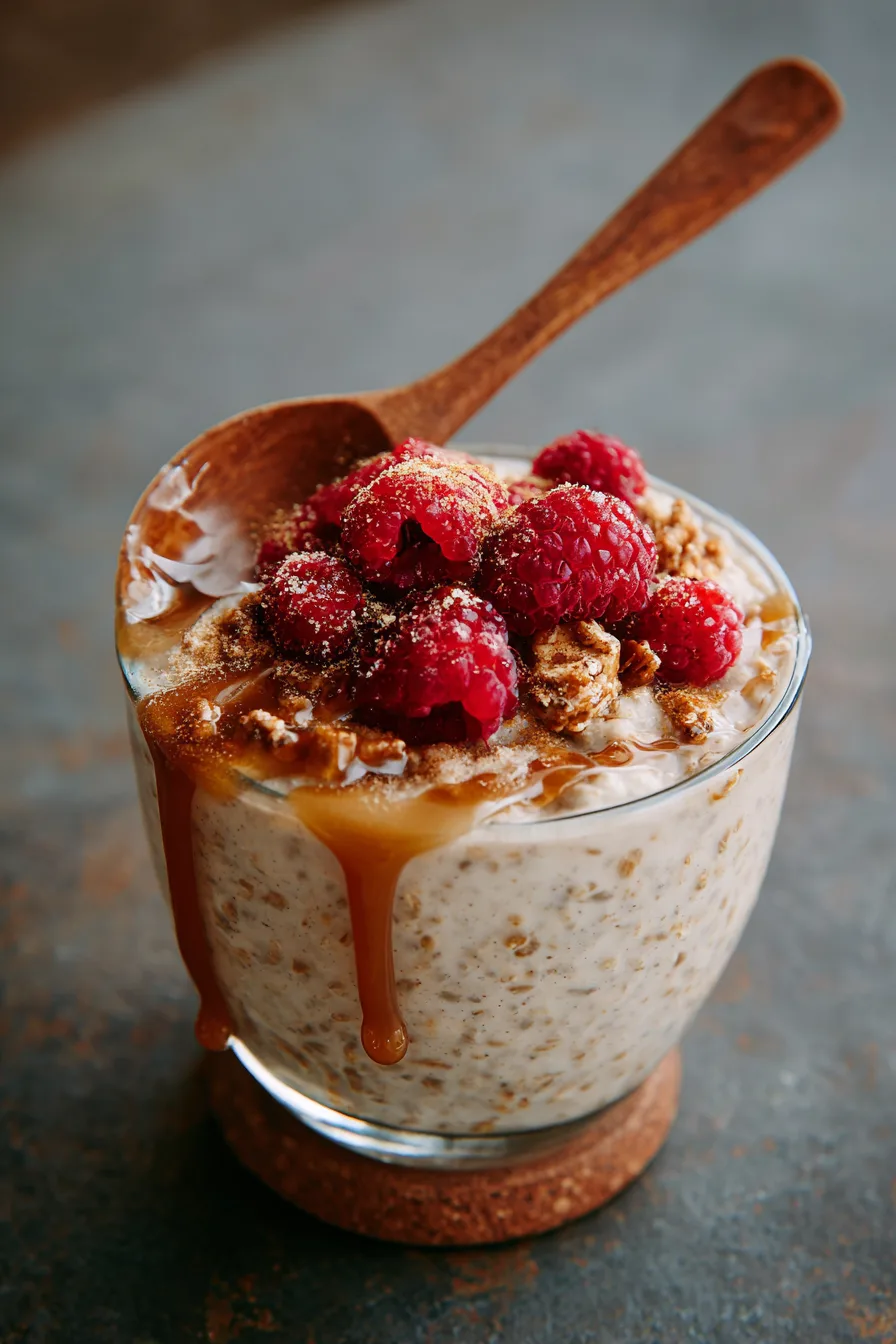
Elevate your brown sugar overnight oats beyond basic breakfast with these creative presentations:
Parfait Style: Layer oats with Greek yogurt and fresh berries in a clear glass for an Instagram-worthy breakfast that showcases beautiful colors and textures.
Warm Comfort Option: While overnight oats are typically served cold, you can gently warm them in the microwave for 30-45 seconds during colder months, then top with warm cinnamon apples.
Seasonal Variations: Spring calls for strawberry and vanilla combinations, summer demands peach and almond pairings, fall embraces apple cinnamon additions, and winter welcomes cranberry and orange zest.
On-the-Go Solutions: Prepare in mason jars with tight-fitting lids for portable breakfast perfection, or create “oat cups” using silicone muffin cups for portion-controlled grab-and-go options.
Common Mistakes to Avoid
The Soggy Trap: Using quick oats instead of rolled oats results in mushy texture. Rolled oats maintain structure while absorbing liquid properly.
Liquid Imbalance: Too much liquid creates soup; too little leaves you with dense, chewy oats. The golden ratio is 1:1 oats to liquid, adjusted based on desired thickness.
Sugar Distribution Failure: Not mixing brown sugar thoroughly leads to pockets of intense sweetness and bland areas. Always combine dry ingredients first.
Premature Consumption: Eating before the 8-hour minimum doesn’t allow proper absorption, resulting in crunchy, unpleasant texture.
Topping Timing: Adding fresh fruit too early can result in mushy, broken-down pieces. Add delicate toppings just before serving.
Storing Tips for the Recipe
Proper storage transforms overnight oats from a single serving into a week-long breakfast solution:
Refrigerator Storage: Prepared oats stay fresh for up to 5 days in airtight containers. Glass mason jars are ideal as they don’t absorb odors and allow you to see contents easily.
Batch Preparation: Prepare 5 jars on Sunday evening for the entire work week. Label with days or flavor variations to maintain organization.
Freezer Option: While not traditional, you can freeze prepared oats for up to 1 month. Thaw overnight in refrigerator and add fresh toppings before serving.
Ingredient Prep: Pre-portion dry ingredients in small containers or bags. When ready to prepare, simply add liquid and refrigerate.
Freshness Indicators: Properly stored oats should smell fresh and maintain their creamy texture. Discard if you notice any sour smell or separation that doesn’t resolve with stirring.
FAQs
Can I use steel-cut oats instead of rolled oats? Steel-cut oats require longer soaking (12-24 hours) and result in a chewier texture. They work but require planning ahead.
Why are my overnight oats too thick/thin? Adjust the oat-to-liquid ratio. For thicker oats, add more oats or chia seeds. For thinner consistency, increase milk gradually.
Can I make overnight oats without chia seeds? Absolutely! Chia seeds add thickness and nutrition but aren’t essential. Your oats will be slightly less thick but equally delicious.
How do I prevent my brown sugar from clumping? Mix brown sugar with dry oats first, breaking up any clumps with your fingers before adding liquid ingredients.
Are overnight oats safe to eat after 3 days? Yes, properly stored overnight oats remain safe and delicious for up to 5 days in the refrigerator.
