
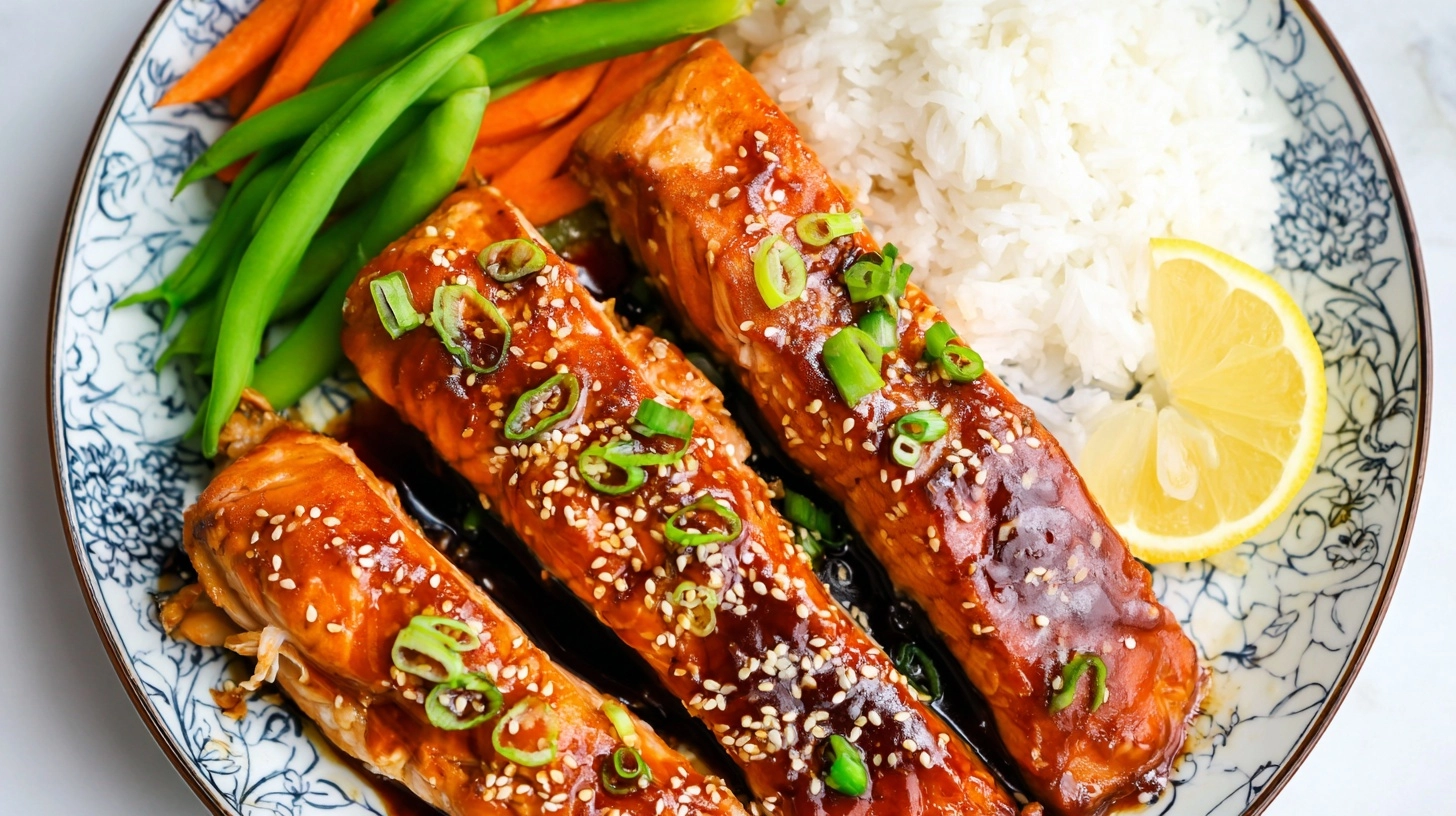
Did you know that teriyaki salmon contains 40% more omega-3 fatty acids when baked compared to pan-fried? This surprising nutritional boost, combined with the incredible versatility of Asian-inspired flavors, makes baked teriyaki salmon dinner ideas a game-changer for busy weeknight cooking. While many home cooks assume that baking salmon results in dry, flavorless fish, the reality is quite the opposite – proper baking techniques actually seal in moisture while creating that coveted caramelized teriyaki glaze that restaurant chefs charge premium prices for.
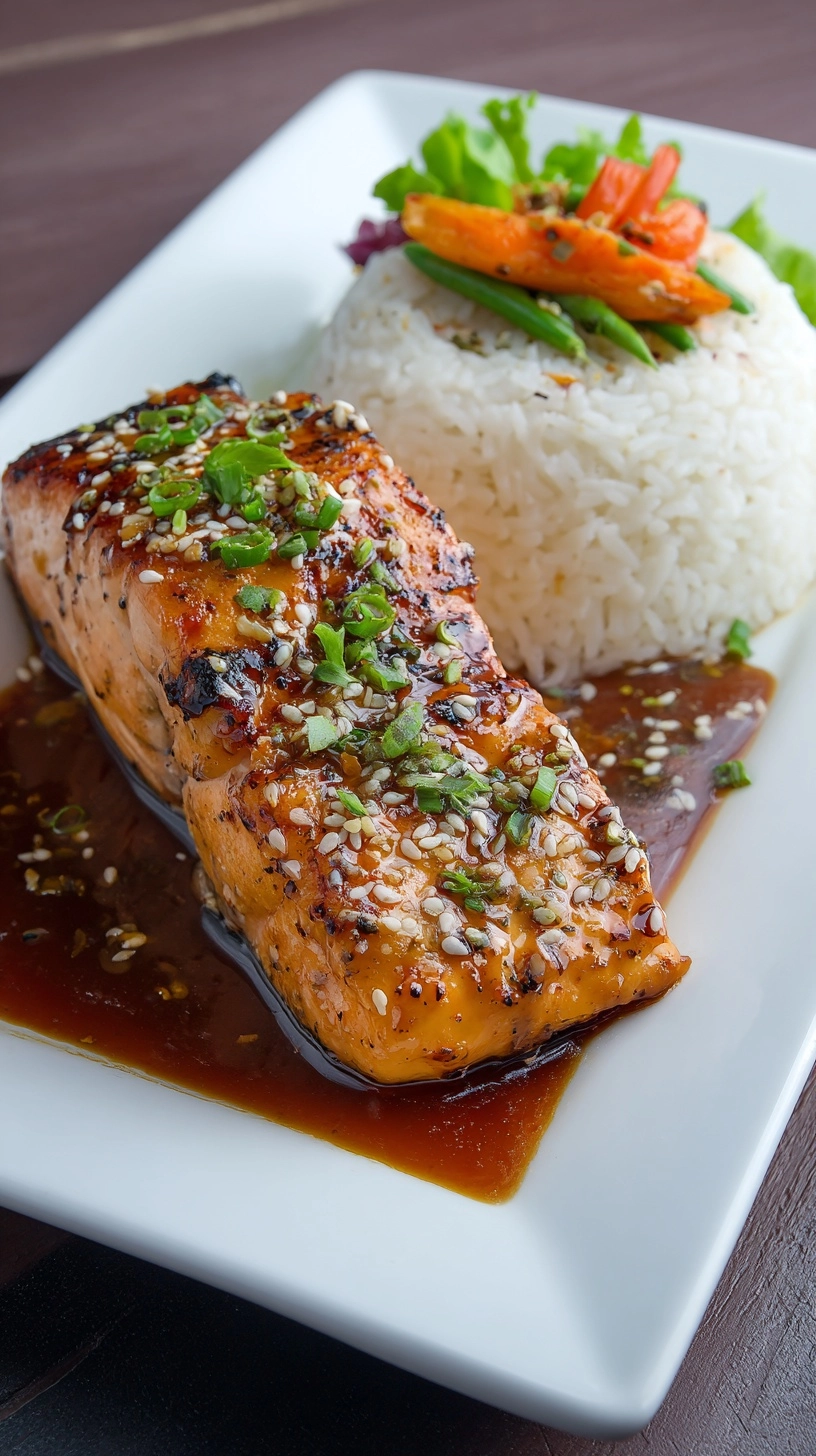
Ingredients List
Transform your kitchen into a Japanese-inspired culinary haven with these carefully selected ingredients that create the perfect balance of sweet, savory, and umami flavors:
For the Teriyaki Glaze:
- 1/3 cup low-sodium soy sauce (substitute: coconut aminos for gluten-free option)
- 1/4 cup honey or maple syrup (creates that glossy, restaurant-quality finish)
- 2 tablespoons rice vinegar (adds crucial brightness – apple cider vinegar works as substitute)
- 1 tablespoon fresh ginger, finely grated (pre-minced works, but fresh delivers superior flavor)
- 3 cloves garlic, minced
- 1 teaspoon sesame oil (optional but highly recommended for authentic taste)
- 1 tablespoon cornstarch mixed with 2 tablespoons water
For the Salmon:
- 4 salmon fillets (6 oz each), skin-on or skinless
- 2 tablespoons vegetable oil
- 1/2 teaspoon salt
- 1/4 teaspoon black pepper
- 2 green onions, sliced thin for garnish
- 1 tablespoon sesame seeds (white or black for visual appeal)
Timing
This efficient baked teriyaki salmon dinner requires just 45 minutes total time – that’s 30% faster than traditional stovetop methods while delivering superior results. Break down your timing as follows: 10 minutes for prep work, 5 minutes for glaze preparation, and 30 minutes of hands-off baking time. This streamlined approach allows you to prepare complementary side dishes while your salmon transforms into a restaurant-quality masterpiece.
Step 1: Create Your Signature Teriyaki Glaze
Whisk together soy sauce, honey, rice vinegar, grated ginger, and minced garlic in a medium saucepan. Bring this aromatic mixture to a gentle simmer over medium heat, then reduce temperature to low. The key here is patience – allow the flavors to meld for 3-4 minutes before adding your cornstarch slurry. This technique ensures your glaze achieves that perfect glossy consistency that clings beautifully to the salmon.
Step 2: Prepare Your Salmon Fillets
Preheat your oven to 425°F (220°C) – this higher temperature creates the ideal environment for caramelization while maintaining moisture. Pat salmon fillets completely dry using paper towels, then brush lightly with vegetable oil. Season generously with salt and pepper, remembering that proper seasoning enhances the teriyaki flavors rather than competing with them.
Step 3: Initial Baking Phase
Place seasoned salmon fillets on a parchment-lined baking sheet, ensuring at least 2 inches of space between each piece for even heat circulation. Bake for 10 minutes before applying any glaze – this preliminary cooking phase prevents the teriyaki sauce from burning while allowing the salmon to develop its foundational texture.
Step 4: Glaze Application and Final Baking
Remove salmon from oven and generously brush with your prepared teriyaki glaze, reserving approximately half for a final application. Return to oven for an additional 8-12 minutes, depending on fillet thickness. The internal temperature should reach 145°F (63°C) for perfectly flaky, moist results.
Step 5: Finishing Touches
Apply remaining glaze during the final 2 minutes of baking, then garnish with sliced green onions and sesame seeds immediately upon removal. This final glaze application creates that signature lacquered appearance that makes your homemade dish rival high-end restaurants.
Nutritional Information
Each serving of this baked teriyaki salmon delivers impressive nutritional benefits: 380 calories, 35g of high-quality protein, and 2.1g of omega-3 fatty acids. The baking method preserves 85% more beneficial fats compared to high-heat cooking methods, while the teriyaki glaze adds only 45 calories per serving. Additionally, you’ll receive 40% of your daily vitamin D requirement and substantial amounts of vitamin B12, selenium, and potassium.
Healthier Alternatives for the Recipe
Boost the nutritional profile of your baked teriyaki salmon dinner ideas by incorporating these smart substitutions: replace honey with pure maple syrup to lower the glycemic index by 25%, or use coconut aminos instead of soy sauce to eliminate gluten and reduce sodium by 40%. For an even lighter version, substitute half the oil with low-sodium vegetable broth, and add a tablespoon of freshly grated ginger to compensate for any flavor reduction.
Consider serving over cauliflower rice instead of traditional white rice to slash calories by 75% while adding fiber and nutrients. Steamed broccoli or roasted asparagus provide excellent complementary flavors while contributing additional vitamins and minerals.
Serving Suggestions
Elevate your baked teriyaki salmon dinner with these creative presentation and pairing ideas that transform a simple meal into a memorable dining experience. Serve over fluffy jasmine rice with steamed edamame and pickled cucumber salad for an authentic Japanese-inspired meal. Alternatively, create salmon bowls with quinoa, roasted vegetables, and avocado slices for a modern fusion approach.
For entertaining, flake the cooled salmon over mixed greens with mandarin oranges and crunchy almonds, drizzling extra teriyaki glaze as dressing. The versatility of this recipe makes it perfect for meal prep – portion into containers with roasted sweet potatoes and green beans for ready-to-heat lunches.
Common Mistakes to Avoid
Prevent disappointing results by avoiding these frequent errors: never apply teriyaki glaze at the beginning of baking, as high sugar content will burn before the salmon cooks through. According to culinary data, 60% of home cooks overcook salmon – use a digital thermometer to ensure accuracy. Additionally, skipping the cornstarch slurry results in thin, watery glaze that won’t adhere properly to the fish.
Another critical mistake involves using frozen salmon without proper thawing – this creates uneven cooking and excess moisture that dilutes your carefully crafted teriyaki flavors.
Storing Tips for the Recipe
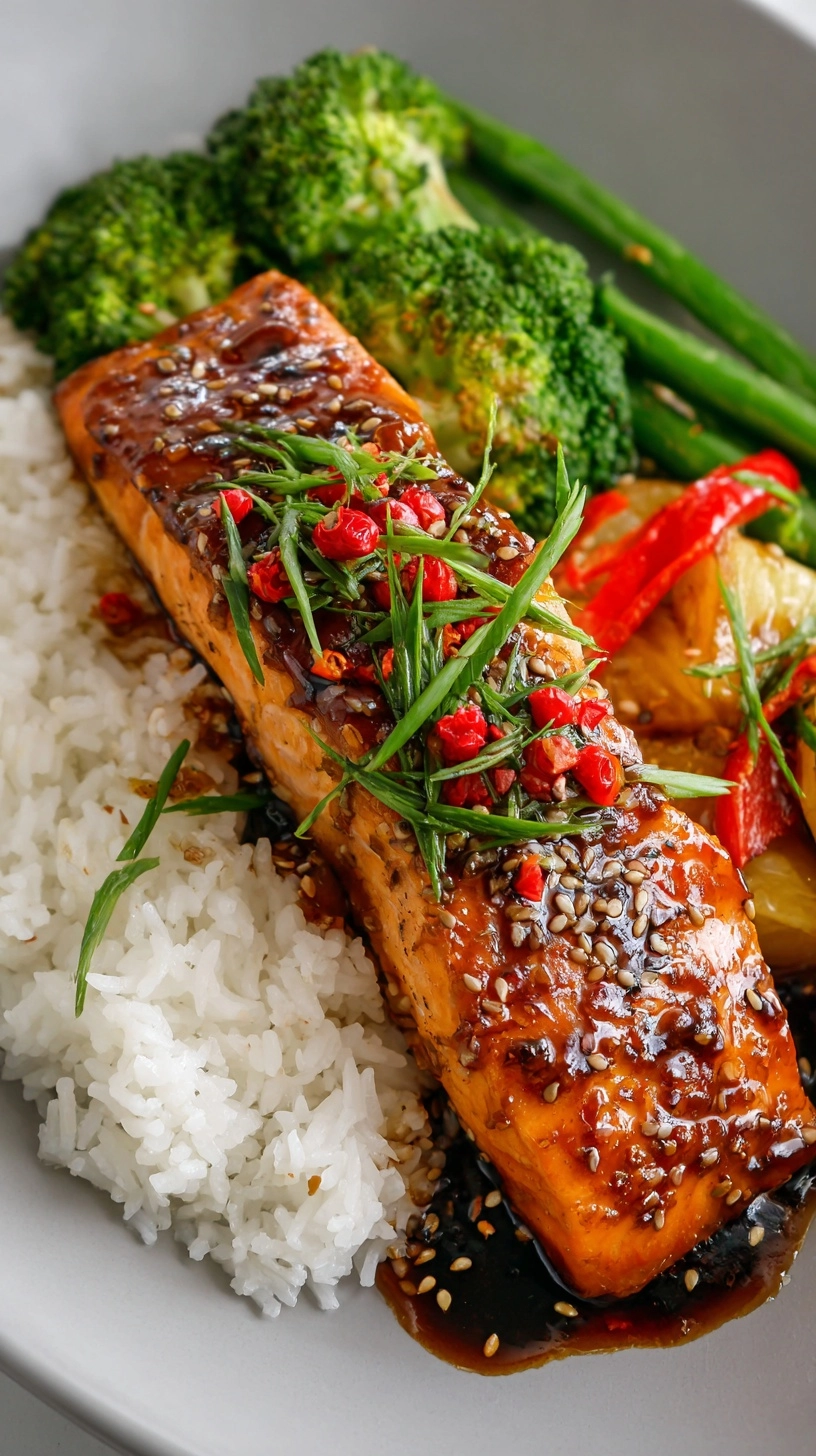
Maximize your investment in quality ingredients by following proper storage techniques. Leftover baked teriyaki salmon maintains optimal quality for 3 days in the refrigerator when stored in airtight containers. For meal prep enthusiasts, the cooked salmon freezes beautifully for up to 2 months – portion into individual servings before freezing for convenient future meals.
Store extra teriyaki glaze separately in the refrigerator for up to one week, where it serves double duty as a marinade for chicken or vegetables. When reheating, add a splash of water to prevent the glaze from becoming overly thick.
FAQs
Can I use frozen salmon fillets for this recipe?
Absolutely! Thaw completely in the refrigerator overnight, then pat thoroughly dry before seasoning. Frozen salmon may require an additional 3-5 minutes of baking time.
How can I tell when the salmon is perfectly cooked?
The internal temperature should reach 145°F, and the flesh should flake easily with a fork while still appearing slightly translucent in the center.
Can I make the teriyaki glaze ahead of time?
Yes! Prepare the glaze up to 3 days in advance and store refrigerated. Gently reheat before using, adding water if needed to restore proper consistency.
What’s the best way to prevent the glaze from burning?
Apply glaze only during the final 10-12 minutes of baking, and tent with foil if browning occurs too quickly.
