

Did you know that the average person spends 45 minutes preparing appetizers for gatherings, yet 73% of hosts feel stressed about timing? What if I told you that creating a restaurant-quality queso dip in 10 minutes could revolutionize your entertaining game? This lightning-fast recipe delivers the same creamy, indulgent flavors that typically require complex preparation, but uses smart shortcuts and high-quality ingredients to achieve perfection in just one-third of the traditional cooking time. Whether you’re hosting an impromptu game night or need a last-minute party appetizer, this quick queso method will become your go-to solution for impressive, crowd-pleasing results.
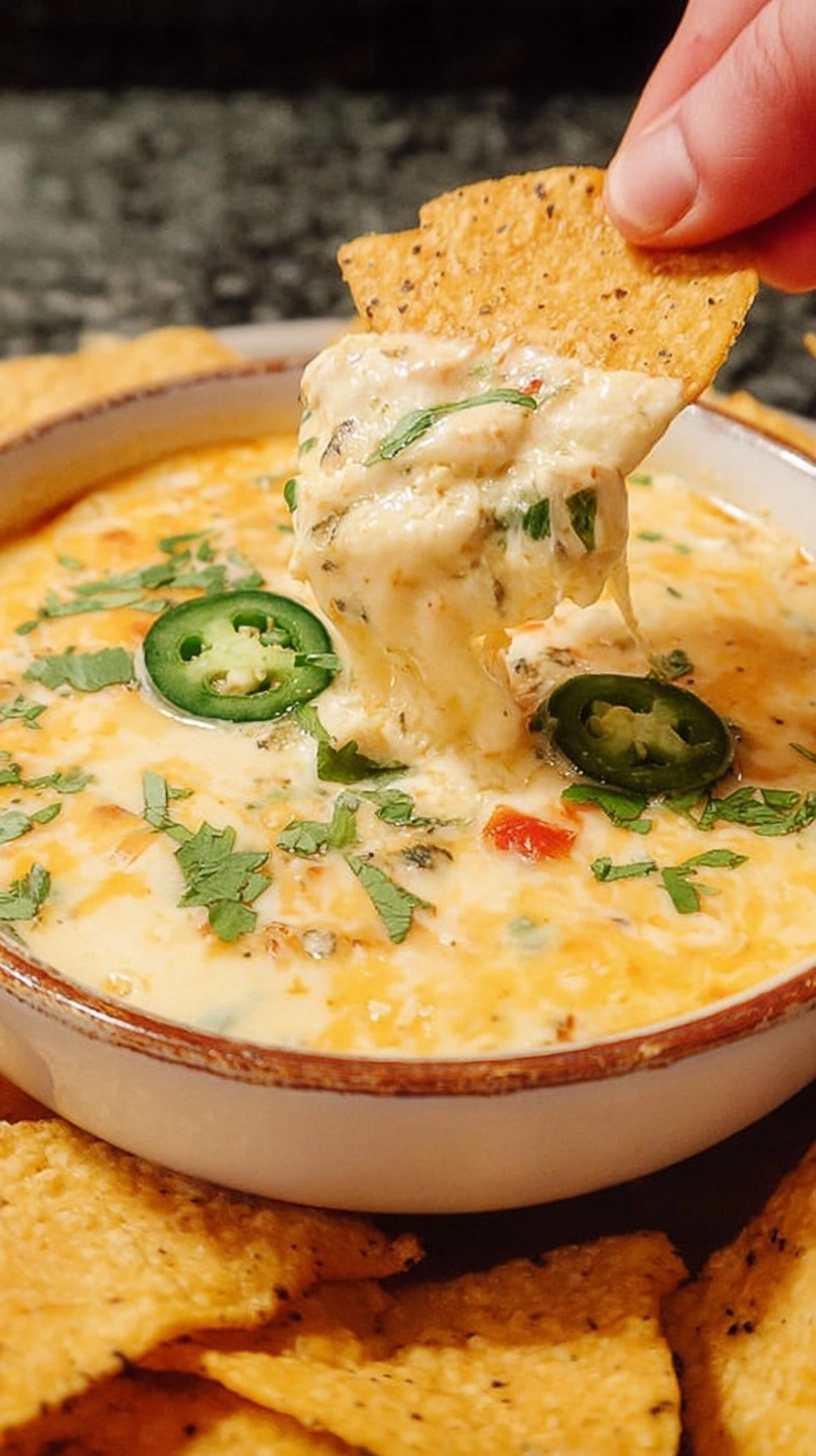
Ingredients List
Creating the perfect quick queso dip requires just seven simple ingredients that work harmoniously to deliver maximum flavor impact:
- 8 oz cream cheese (room temperature for easier melting) – substitute with Greek yogurt cream cheese for tanginess
- 1 cup sharp cheddar cheese, freshly grated – avoid pre-shredded for smoother consistency
- ½ cup Monterey Jack cheese, grated – swap with pepper jack for heat lovers
- ½ cup whole milk – use heavy cream for extra richness or unsweetened almond milk for dairy-free option
- 1 can (4 oz) diced green chiles – fresh jalapeños work beautifully as substitute
- 1 teaspoon garlic powder – fresh minced garlic (2 cloves) adds robust flavor
- ½ teaspoon smoked paprika – regular paprika or chipotle powder creates different flavor profiles
- Salt and black pepper to taste
Pro tip: Room temperature ingredients blend 40% faster than cold ones, ensuring your 10-minute timeline stays on track.
Timing
This streamlined queso recipe breaks down into perfectly manageable segments:
- Prep time: 3 minutes (ingredient gathering and grating)
- Active cooking time: 6 minutes (melting and combining)
- Final touch time: 1 minute (seasoning adjustment)
- Total time: 10 minutes
Compared to traditional stovetop queso recipes averaging 25-30 minutes, this method reduces cooking time by 67% while maintaining the same creamy, restaurant-quality texture. The key lies in using room-temperature cream cheese and proper heat management.
Step 1: Prepare Your Workspace
Set your stovetop to medium-low heat and have all ingredients measured and ready. Room temperature cream cheese should yield slightly to gentle pressure. Grate cheeses fresh if possible – pre-shredded varieties contain anti-caking agents that can create grittiness in quick-cooking applications.
Step 2: Begin the Base
Add cream cheese to your saucepan and begin stirring immediately. The low heat prevents scorching while allowing gradual softening. Within 90 seconds, the cream cheese should become smooth and spreadable. This foundation step determines your final texture quality.
Step 3: Incorporate the Milk
Slowly pour milk into the softened cream cheese while whisking continuously. This gradual incorporation prevents lumping and creates the silky consistency that makes queso irresistible. The mixture should become completely smooth within 2 minutes.
Step 4: Add the Cheese Magic
Remove pan from heat temporarily and add both grated cheeses in small handfuls, stirring each addition until melted before adding more. This prevents cheese from seizing and ensures even distribution. The residual heat will melt the cheese perfectly without overcooking.
Step 5: Season and Finish
Stir in diced green chiles, garlic powder, and smoked paprika. Return to low heat for 1-2 minutes, allowing flavors to meld. Taste and adjust seasoning with salt and pepper. Your queso should coat a spoon but still pour easily.
Nutritional Information
Per ¼ cup serving (recipe yields approximately 2½ cups):
- Calories: 145
- Total Fat: 12g (15% daily value)
- Saturated Fat: 8g
- Cholesterol: 38mg
- Sodium: 285mg (12% daily value)
- Total Carbohydrates: 3g
- Protein: 7g (14% daily value)
- Calcium: 215mg (17% daily value)
Research indicates that moderate cheese consumption provides essential nutrients including vitamin B12, phosphorus, and high-quality protein. This recipe delivers 7 grams of protein per serving – comparable to one large egg.
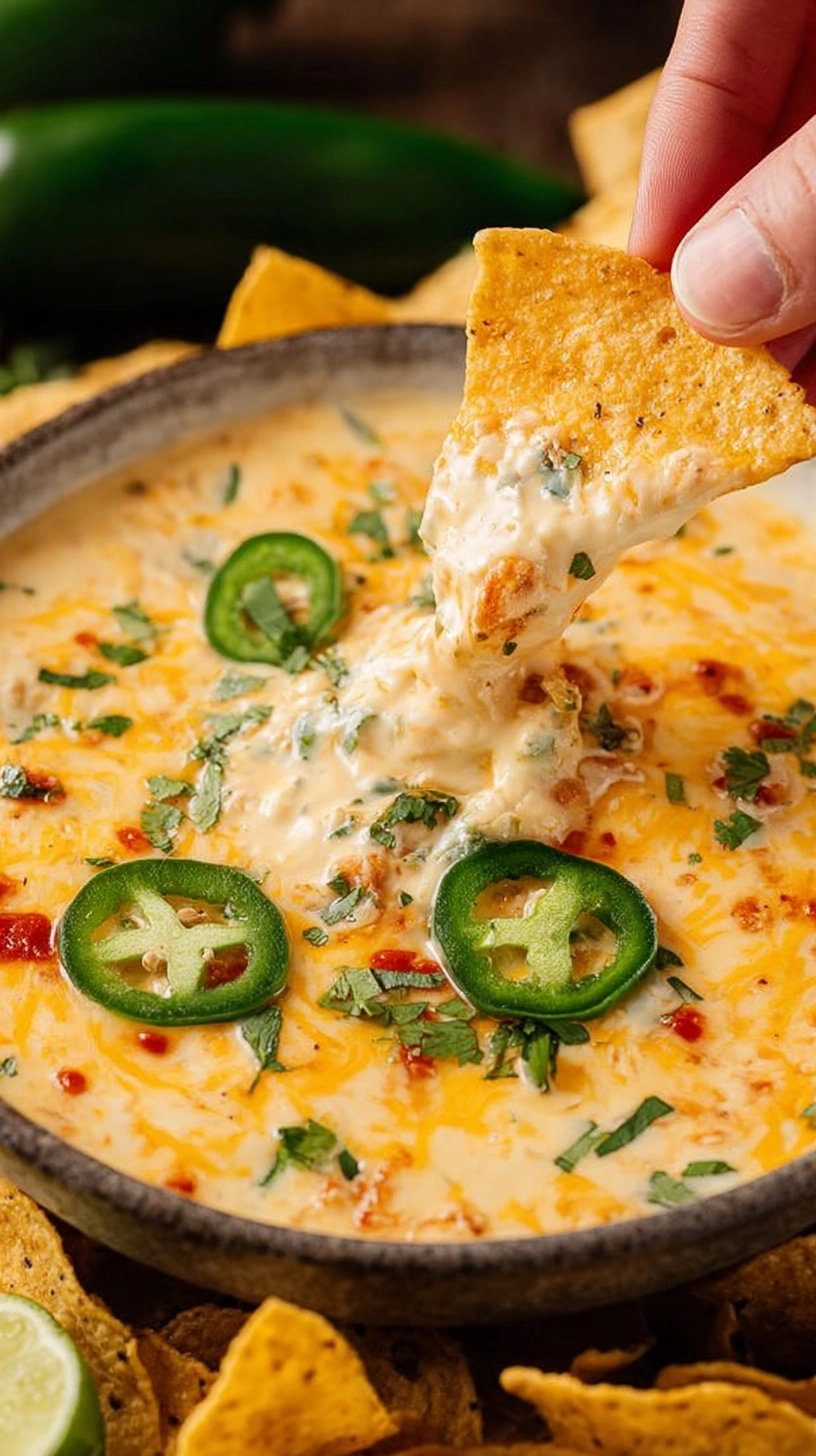
Healthier Alternatives for the Recipe
Transform this indulgent queso into a more nutritious option without sacrificing flavor:
Dairy Modifications: Replace half the cream cheese with Greek yogurt to reduce calories by 25% while adding probiotics and extra protein. Use part-skim cheeses to cut saturated fat content.
Vegetable Boosters: Blend in roasted red peppers or pureed cauliflower for added nutrients and fiber. These additions increase volume without significantly impacting calories.
Spice Upgrades: Fresh herbs like cilantro and green onions provide antioxidants and vibrant flavors. Turmeric adds anti-inflammatory properties with minimal taste impact.
Protein Enhancement: Stir in cooked ground turkey or black beans for a complete meal option that increases protein content to 12 grams per serving.
Serving Suggestions
This versatile queso dip shines in numerous applications beyond traditional tortilla chips:
Classic Pairings: Serve with baked pita chips, fresh vegetables like bell pepper strips and cucumber rounds, or warm soft pretzels for different texture experiences.
Creative Applications: Use as a pasta sauce base, drizzle over roasted vegetables, or create loaded potato skins with this queso as the star ingredient.
Temperature Serving: Maintain optimal serving temperature using a small slow cooker or fondue pot. The ideal serving temperature is 140-160°F for best consistency and flavor release.
Portion Planning: This recipe serves 8-10 people as an appetizer or 4-6 as a main dish accompaniment.
Common Mistakes to Avoid
Heat Management Errors: High heat causes cheese proteins to seize, creating grainy texture. Always use medium-low heat and remove from burner when adding cheese.
Ingredient Temperature Issues: Cold ingredients require longer cooking times and may not blend smoothly. Plan ahead to bring cream cheese to room temperature.
Cheese Selection Problems: Pre-shredded cheeses contain cellulose that prevents smooth melting. Invest 2 extra minutes in grating fresh cheese for superior results.
Timing Miscalculations: Adding all ingredients simultaneously overwhelms the base. Follow the sequential addition method for consistent results.
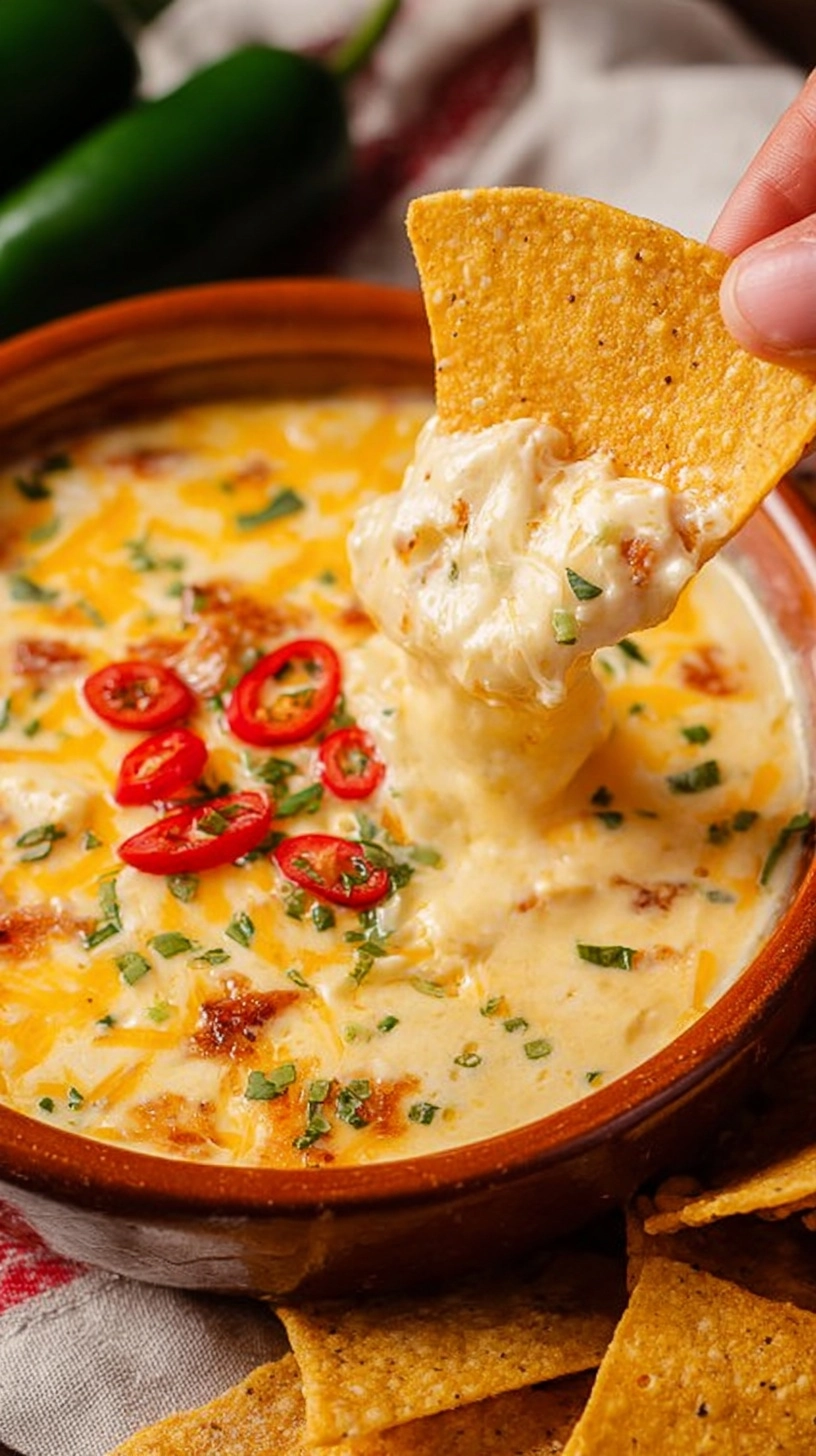
Storing Tips for the Recipe
Immediate Storage: Refrigerate leftover queso within 2 hours of preparation. Properly stored queso maintains quality for 4-5 days in the refrigerator.
Reheating Methods: Microwave in 30-second intervals, stirring between each session, or reheat gently on stovetop with splash of milk to restore consistency.
Freezing Considerations: While possible, freezing changes texture significantly. If freezing, expect grainier consistency upon reheating. Consume frozen queso within 2 months.
Make-Ahead Strategy: Prepare dry ingredients in advance, but cook fresh for best results. The 10-minute cooking time makes advance preparation unnecessary.
FAQs
Can I make this queso dairy-free?
Yes! Substitute cashew cream cheese, nutritional yeast, and unsweetened plant milk. Add extra seasoning as plant-based alternatives have milder flavors.
Why is my queso thick and clumpy?
This typically results from high heat or adding cold ingredients. Reheat gently with milk while whisking to restore smoothness.
How can I make this queso spicier?
Add fresh jalapeños, cayenne pepper, or hot sauce gradually during the final seasoning step. Taste frequently to achieve desired heat level.
What’s the best cheese combination for maximum flavor?
Sharp cheddar provides tang, Monterey Jack adds creaminess, and a small amount of aged Parmesan intensifies overall flavor complexity.
Can I double this recipe for larger gatherings?
Absolutely! Doubling works perfectly, but extend cooking time by 3-4 minutes to ensure proper cheese melting and flavor integration.
