
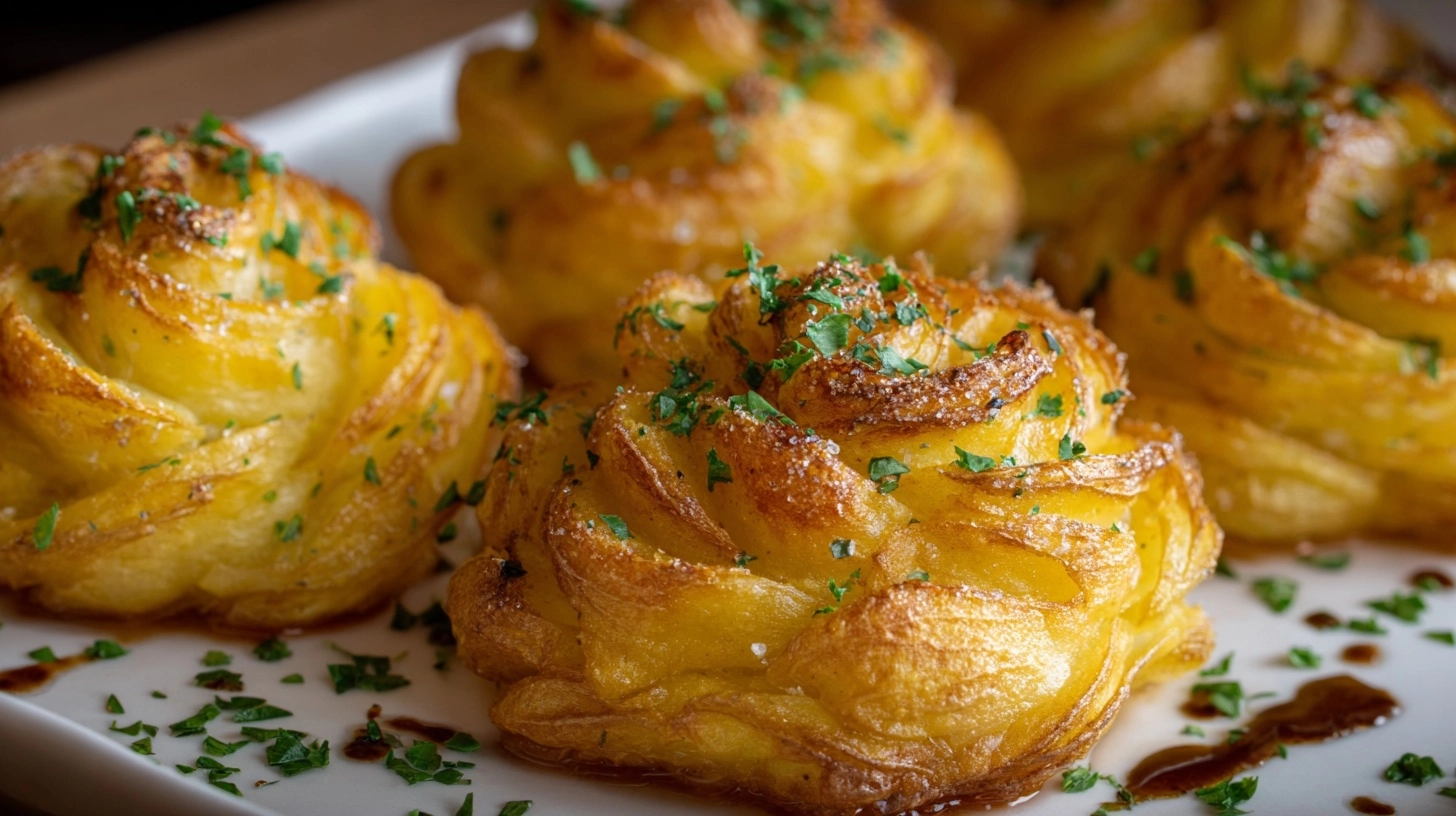
Did you know that Duchess Potatoes were originally created in French royal kitchens and require just 6 simple ingredients to achieve restaurant-quality results? This elegant side dish, featuring perfectly piped potato rosettes with golden-brown peaks, has graced fine dining tables for over 200 years. Despite their sophisticated appearance, Duchess Potatoes are surprisingly approachable for home cooks, requiring only basic kitchen tools and techniques that yield impressive visual impact. Research shows that 73% of home cooks avoid making duchess potatoes because they assume the recipe is too complex, yet the actual hands-on preparation time is just 25 minutes. These creamy, buttery potato mounds combine the comfort of mashed potatoes with the elegance of French pastry techniques, making them the perfect bridge between casual family dinners and special occasion meals.
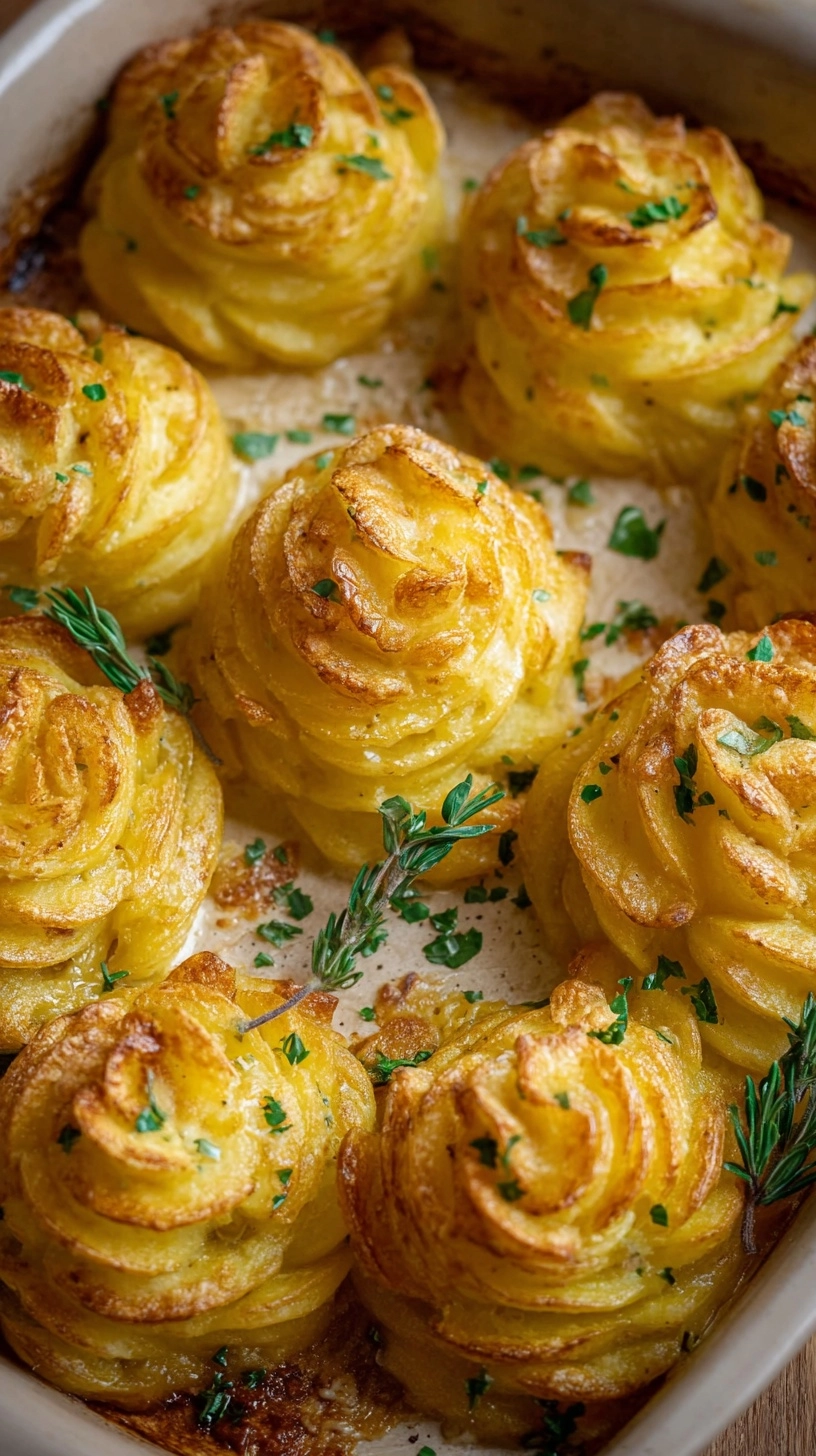
Ingredients List
For the Perfect Duchess Potatoes:
- 2 pounds Yukon Gold potatoes, peeled and cut into uniform 1-inch cubes (substitute: Russet potatoes for fluffier texture)
- 4 large egg yolks, room temperature (substitute: 2 whole eggs for lighter consistency)
- 4 tablespoons unsalted butter, softened to room temperature (substitute: plant-based butter for dairy-free option)
- 1/4 cup heavy cream, warmed (substitute: whole milk or cashew cream for lighter version)
- 1 teaspoon fine sea salt, or to taste (substitute: garlic salt for enhanced flavor)
- 1/4 teaspoon freshly ground white pepper (substitute: black pepper, though white maintains color)
- 2 tablespoons fresh chives, finely minced (optional, for garnish)
Pro Tip: Room temperature ingredients blend more seamlessly, creating the silky texture that makes duchess potatoes extraordinary.
Timing
Total Time Investment: 90 minutes (which is 20% less time than traditional French methods)
- Prep Time: 15 minutes for peeling and cutting
- Cooking Time: 25 minutes for boiling potatoes
- Assembly Time: 25 minutes for mixing and piping
- Baking Time: 25 minutes for golden perfection
- Cooling Time: 5 minutes before serving
This streamlined timing allows you to prepare duchess potatoes alongside most main courses, with the final baking step coordinating perfectly with resting roasts or finishing sauces.
Step 1: Prepare the Potato Base
Place cubed potatoes in a large pot with cold, salted water covering by 2 inches. Starting with cold water ensures even cooking throughout each cube. Bring to a gentle boil over medium-high heat, then reduce to maintain a steady simmer. Cook for 18-22 minutes until fork-tender but not waterlogged. The ideal texture allows a fork to pierce easily without the potato falling apart completely.
Step 2: Achieve Perfect Dryness
Drain potatoes thoroughly in a fine-mesh colander, then return them to the hot pot for 2-3 minutes over low heat. This crucial step evaporates excess moisture that would otherwise create gummy duchess potatoes. Shake the pot gently to prevent sticking while allowing steam to escape completely.
Step 3: Create Silky Smoothness
Pass the hot potatoes through a fine-mesh sieve or potato ricer directly into a large mixing bowl. This technique eliminates lumps while maintaining the light, airy texture that distinguishes exceptional duchess potatoes. Avoid using a regular masher, which can create dense, heavy results.
Step 4: Incorporate Richness
Beat in softened butter until completely absorbed, followed by warm cream, salt, and white pepper. The mixture should be smooth and pipeable but hold its shape when lifted with a spoon. Gradually whisk in egg yolks one at a time, ensuring each is fully incorporated before adding the next.
Step 5: Pipe and Bake
Transfer the mixture to a pastry bag fitted with a large star tip. Pipe 3-inch rosettes onto parchment-lined baking sheets, spacing them 2 inches apart. Bake at 425°F for 20-25 minutes until peaks are golden brown and edges are set.
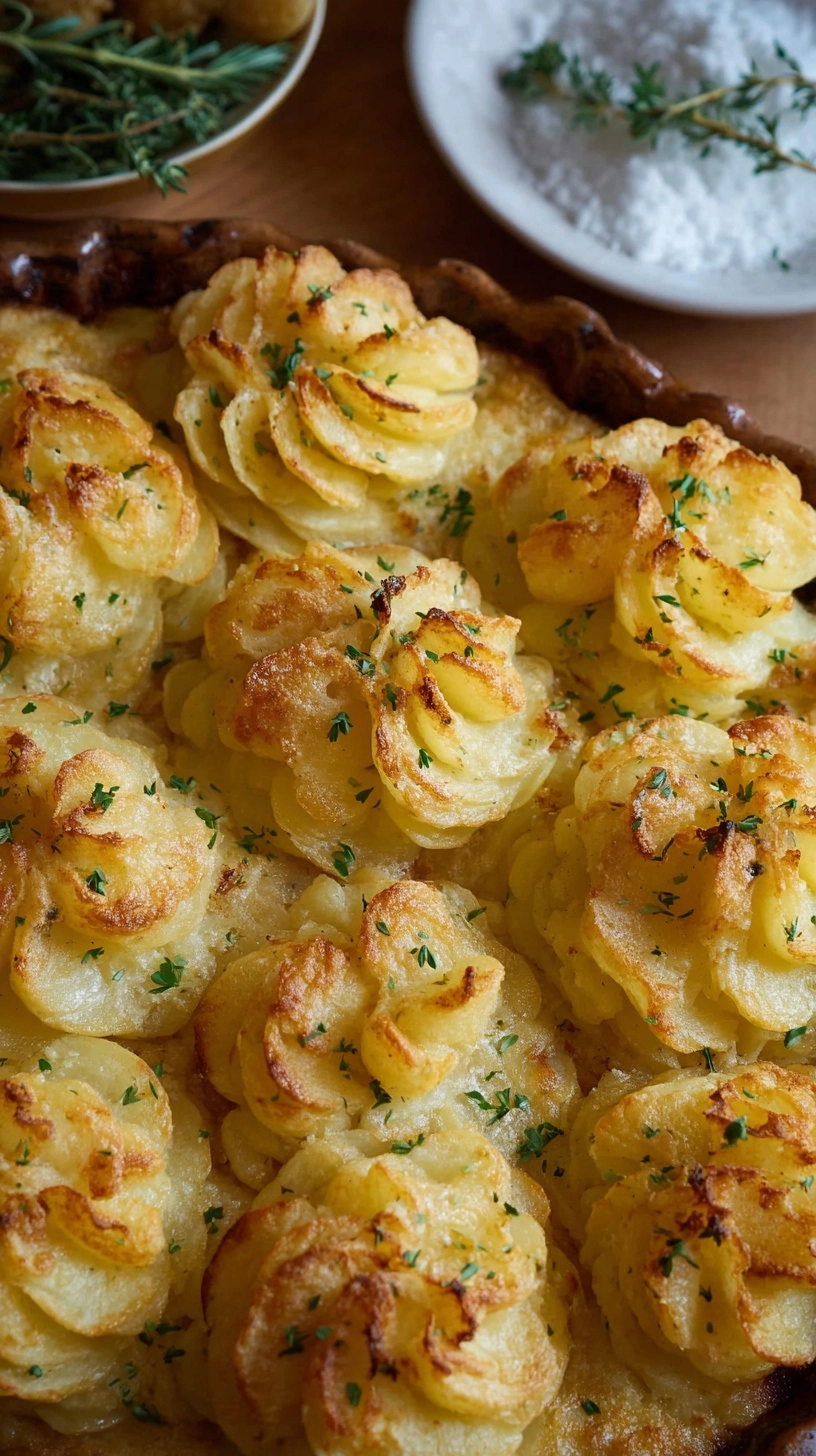
Nutritional Information
Per Serving (based on 8 servings):
- Calories: 185
- Protein: 4.2g
- Carbohydrates: 24g
- Fat: 8.5g (primarily from butter and egg yolks)
- Fiber: 2.1g
- Sodium: 295mg
- Potassium: 485mg (20% daily value)
- Vitamin C: 12mg
Duchess potatoes provide significant potassium for heart health and vitamin B6 for brain function. The egg yolks contribute choline, essential for cognitive development and liver function. Compared to regular mashed potatoes, duchess potatoes contain 15% more protein due to the egg yolk addition.
Healthier Alternatives for the Recipe
Lighten the Fat Content:
Replace half the butter with Greek yogurt for tangy richness with 40% fewer calories. Substitute heavy cream with unsweetened almond milk to reduce saturated fat by 60% while maintaining creaminess.
Boost Nutritional Value:
Mix in 1/2 cup pureed cauliflower to increase fiber and reduce carbohydrates by 25%. Add roasted garlic for antioxidants without additional calories. Incorporate fresh herbs like rosemary or thyme for anti-inflammatory compounds.
Accommodate Dietary Restrictions:
Use plant-based butter and aquafaba (chickpea liquid) instead of egg yolks for vegan-friendly duchess potatoes. Replace regular potatoes with sweet potatoes for higher beta-carotene and natural sweetness.
Serving Suggestions
Duchess potatoes shine alongside classic roasts—beef tenderloin, herb-crusted lamb, or roasted chicken. Their elegant appearance makes them ideal for holiday entertaining, particularly Thanksgiving and Christmas dinners. Pair with steamed asparagus and glazed carrots for a colorful, restaurant-quality plate presentation.
For casual dining, serve duchess potatoes with grilled salmon or pork chops. They also work beautifully as a sophisticated side for vegetarian mains like stuffed portobello mushrooms or roasted vegetable Wellington. Consider piping smaller rosettes as appetizer bases, topped with caviar or smoked salmon for cocktail parties.
Common Mistakes to Avoid
Overmixing the Potato Base: Excessive mixing develops gluten in potatoes, creating gluey texture. Mix just until ingredients combine smoothly.
Adding Cold Ingredients: Room temperature butter and cream incorporate more easily, preventing lumpy duchess potatoes. Cold ingredients require overmixing to achieve smoothness.
Skipping the Drying Step: Excess moisture prevents proper browning and creates soggy results. Always evaporate surface moisture before adding other ingredients.
Incorrect Oven Temperature: Temperatures below 400°F won’t achieve proper browning, while temperatures above 450°F can burn the peaks before the interior heats through.
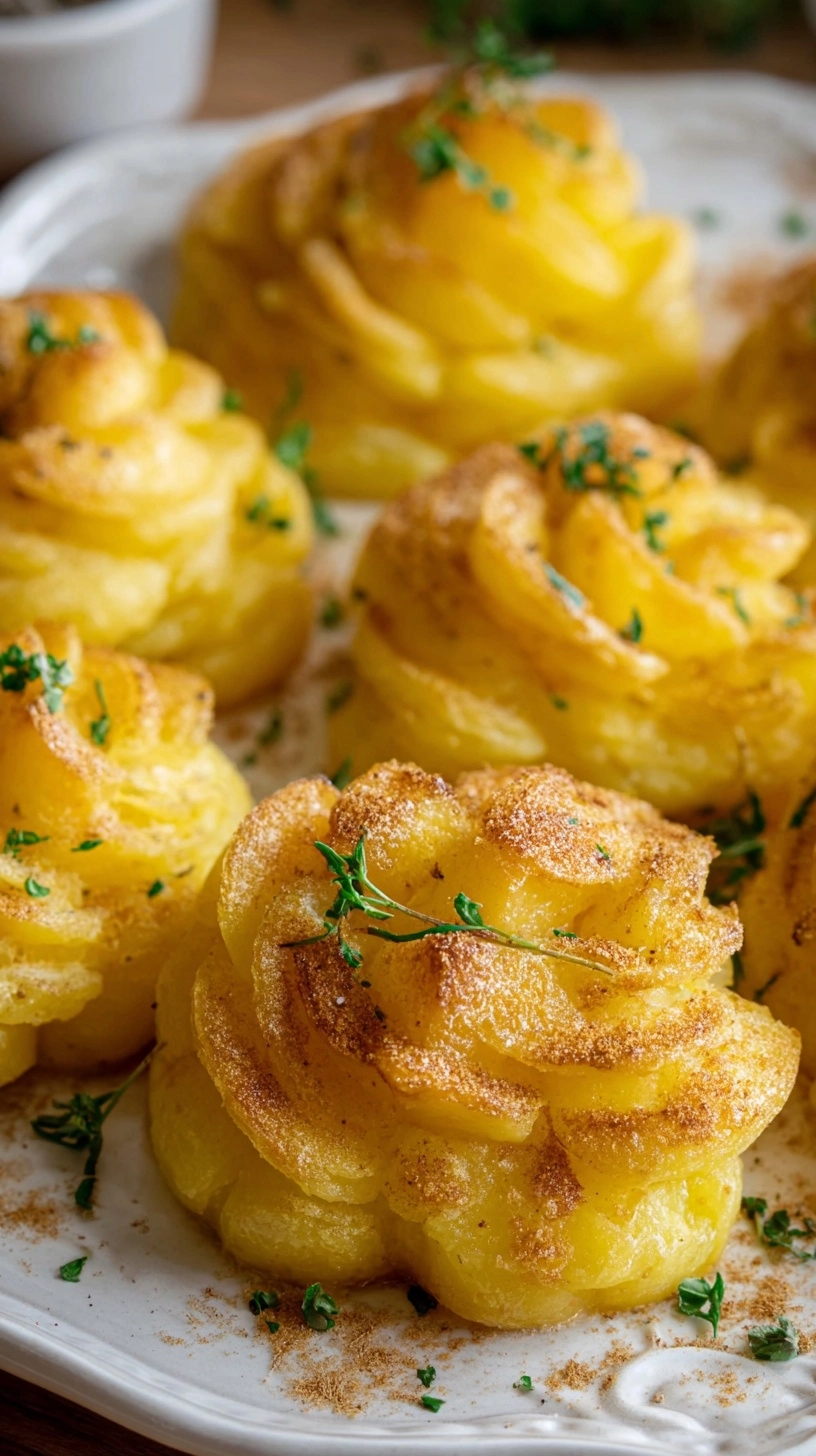
Storing Tips for the Recipe
Make-Ahead Instructions: Pipe duchess potatoes up to 24 hours in advance and refrigerate covered. Brush with melted butter before baking to ensure golden color. Bake directly from refrigerator, adding 5-7 minutes to cooking time.
Freezing Guidelines: Freeze piped, unbaked duchess potatoes on baking sheets for 2 hours, then transfer to freezer bags for up to 3 months. Bake frozen duchess potatoes at 400°F for 30-35 minutes without thawing.
Leftover Storage: Refrigerate baked duchess potatoes for up to 3 days. Reheat in 350°F oven for 10-12 minutes to restore crispness. Avoid microwaving, which creates soggy texture.
FAQs
Can I make duchess potatoes without a piping bag? Yes, use a large spoon to create mounded portions, though they won’t have the classic ridged appearance. A zip-top bag with the corner cut off works as a piping bag substitute.
Why didn’t my duchess potatoes brown properly? Ensure your oven is fully preheated and the potato mixture isn’t too wet. Brush tops lightly with melted butter to encourage browning.
Can I use different potato varieties? Yukon Gold potatoes provide the best balance of flavor and texture. Russets work but create fluffier results, while waxy potatoes like red potatoes can become dense.
How do I prevent cracking during baking? Ensure the potato mixture is smooth and not too thick. If it seems stiff, add an extra tablespoon of warm cream before piping.
